What is Zakat
The practice of Islam is based on its five pillars: 1. Shahada (the declaration of faith in the existence of Allah and His final messenger, Prophet Muhammad SWA), 2. Salah (the five daily prayers), 3. Zakat (religious almsgiving or wealth tax), 4. Ramadan (fasting), and 5. Hajj (pilgrimage to Mecca).
This means that Zakat is obligatory for all adult Muslims who possess wealth exceeding the value of 85 grams of gold. The amount of Zakat to be paid is 2.5% of one’s total wealth, and it is to be given annually. Traditionally, Zakat is often paid during Ramadan, but it can be given at any time of the year.
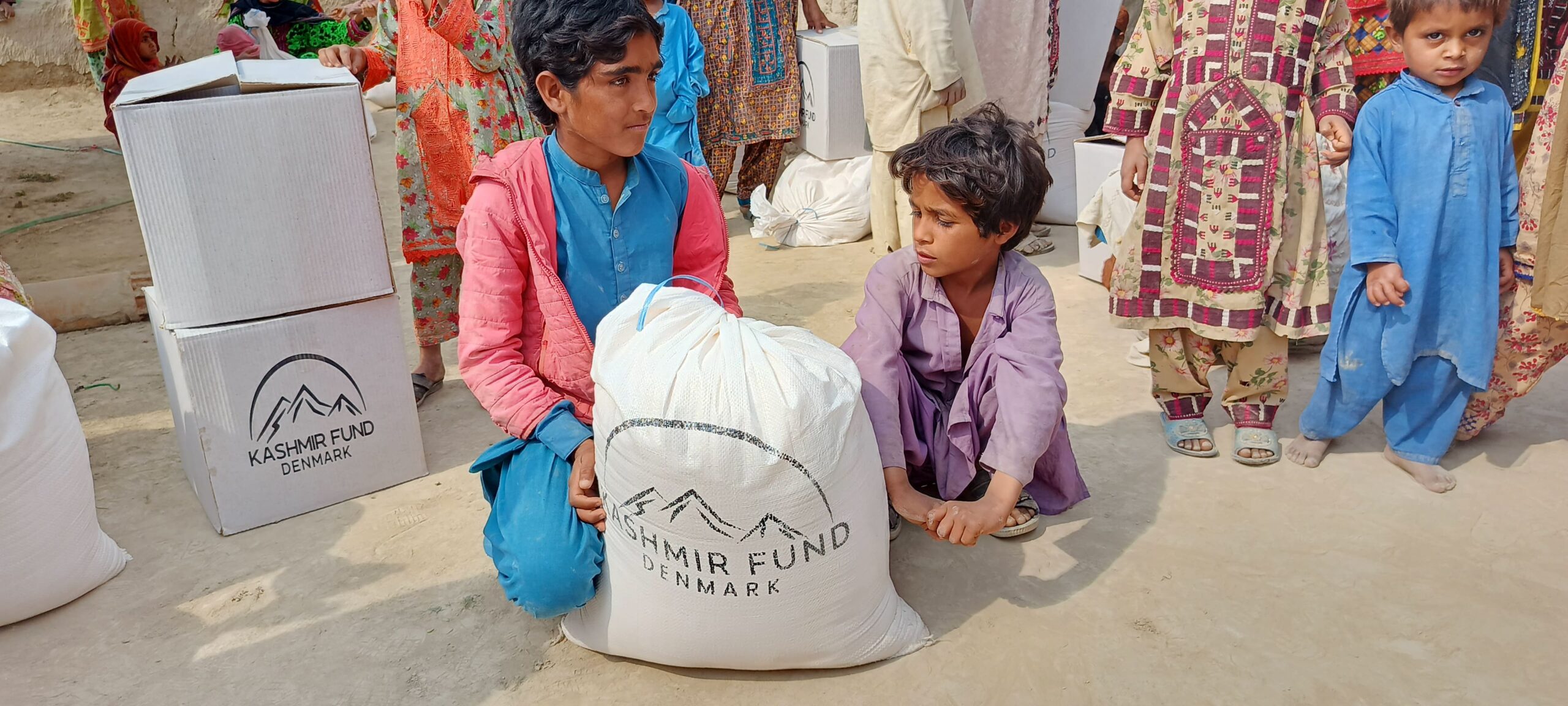
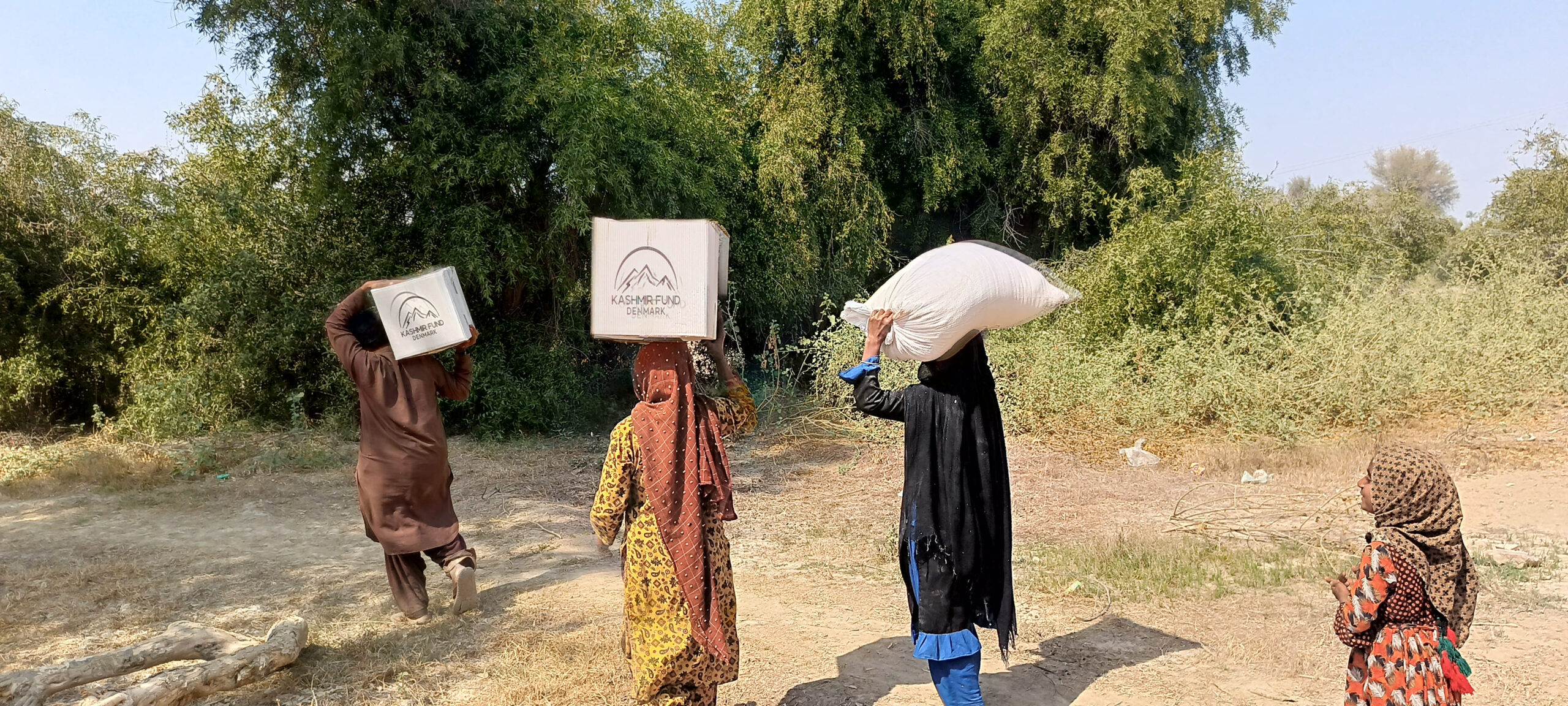
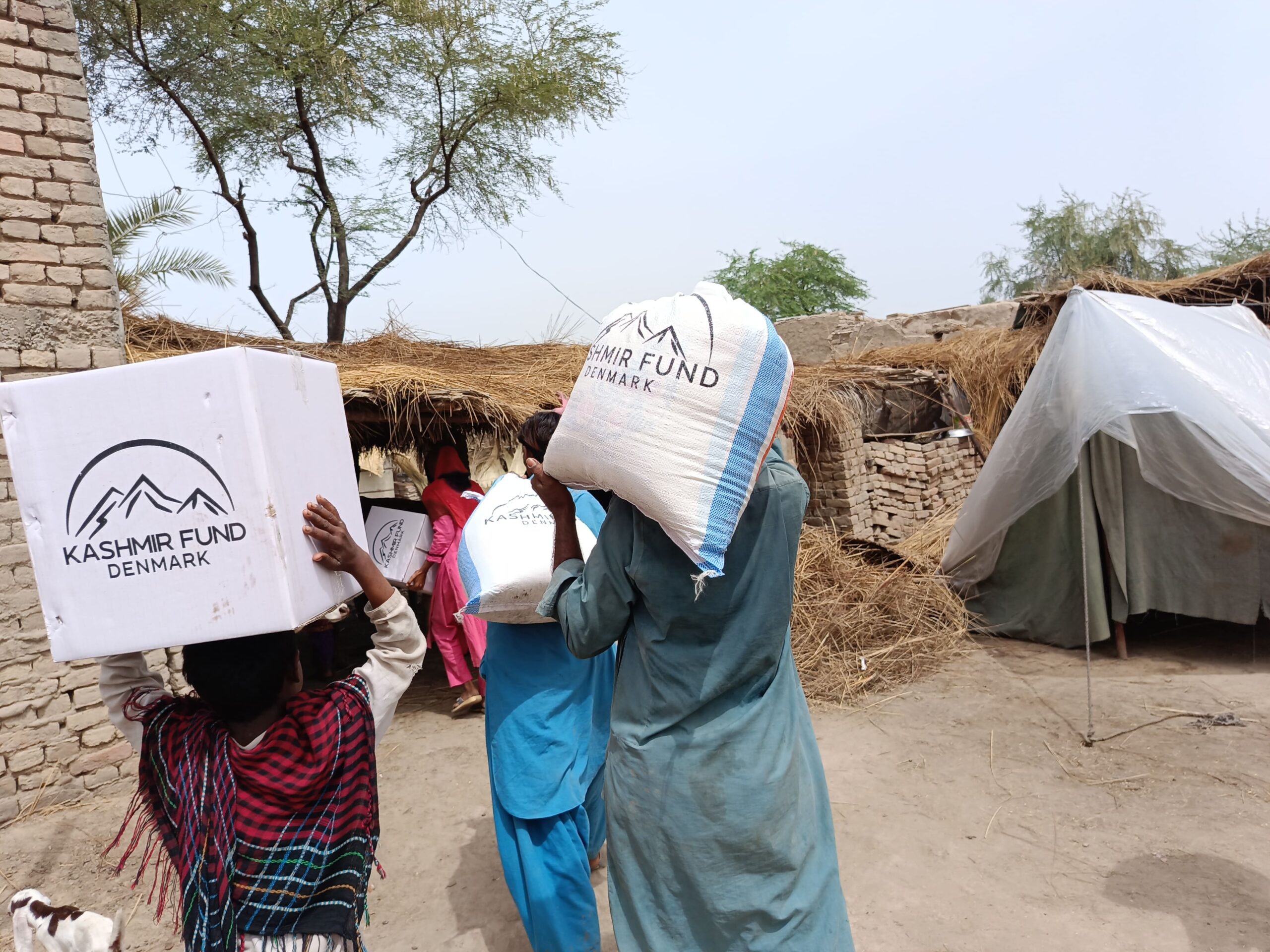
Zakat can be given in the form of money, food, clothing, or other essential items that help relieve suffering. It is intended for those who are in financial distress, affected by war, serious illness, or climate-related disasters.
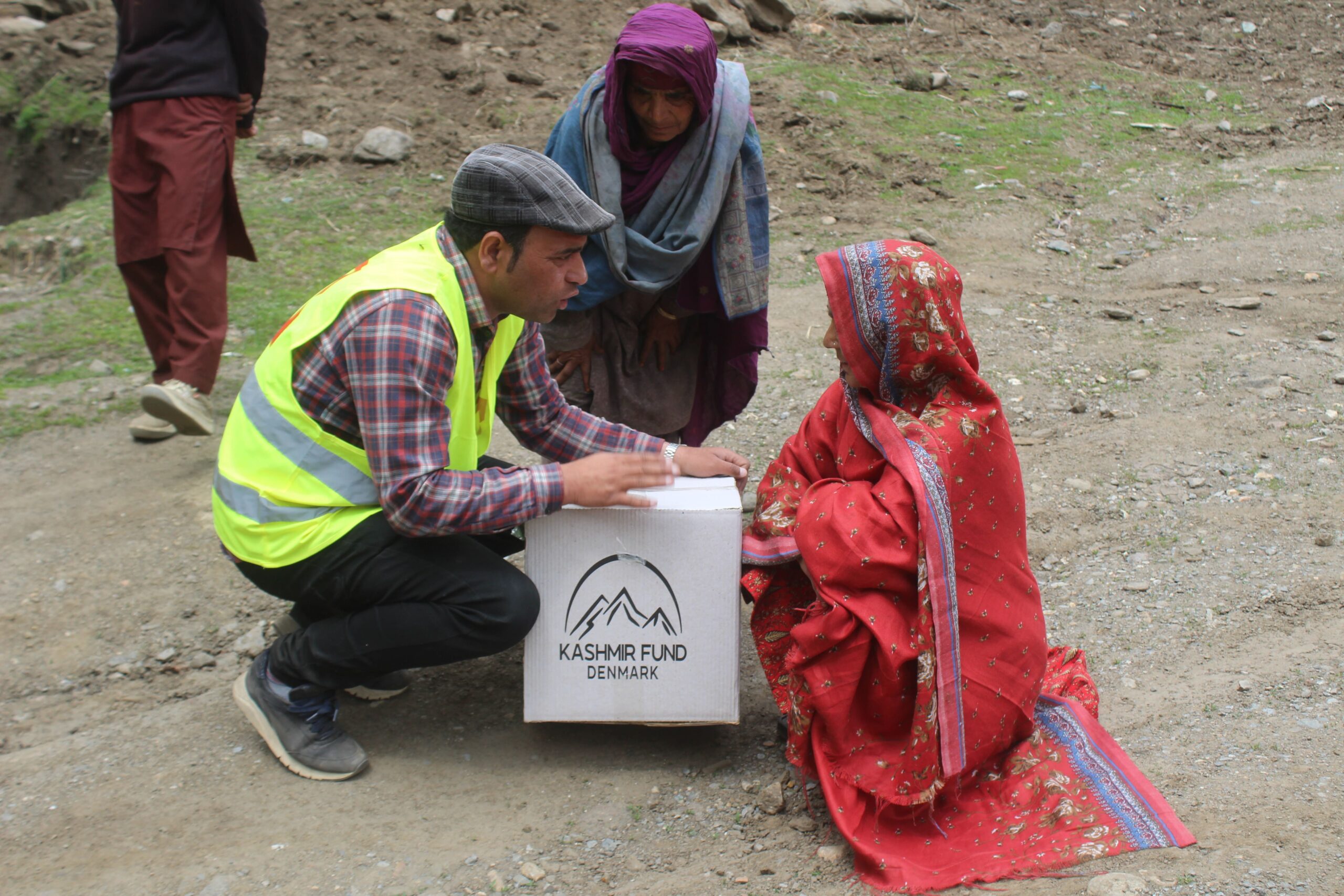
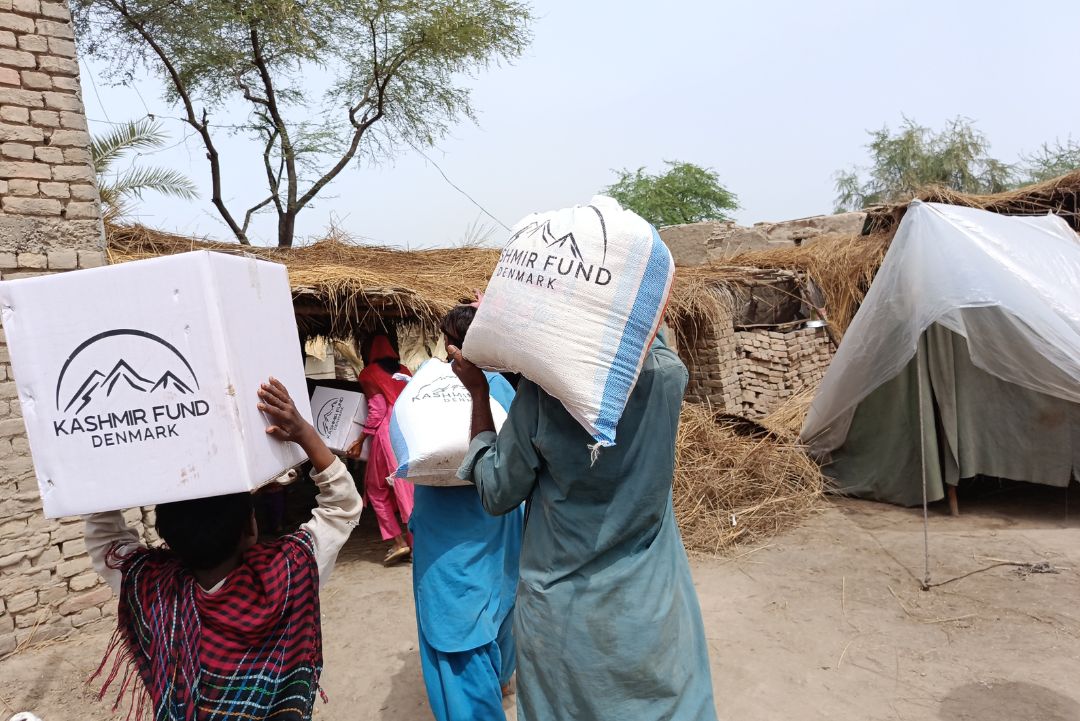
Kashmir Fund DK takes great care to ensure that Zakat funds reach the rightful recipients in accordance with Islamic principles. We focus particularly on Kashmir and other remote and deserving parts of Pakistan and, over several years, have distributed Zakat in the form of food packages through our local teams. These funds support highly vulnerable people affected by natural and man-made disasters, including border shootings, landslides, heavy snowfall, and other crises. Those who have lost their lives in these events often leave behind widows and orphans with insufficient resources to provide basic necessities.
Local authorities, including the Deputy Commissioner and the District Social Welfare Department, maintain records of families with no income who rely entirely on external support or charitable organizations.
Recipients are identified and selected through coordination with the local District Zakat Committee, which keeps records of widows, disabled individuals, orphaned children, and extremely poor families who have submitted Zakat applications. The Committee compiles a list that is approved and printed by the District Commissioner’s Office. Kashmir Fund DK volunteers then use this list to distribute Zakat fairly and transparently.
When making a Zakat donation, please indicate this in your transfer so we can ensure it is allocated correctly.
Sadqa is voluntary charity given at any time of the year, beyond the obligatory Zakat, to help those in need and earn blessings. While Zakat has strict requirements, Sadqa can be given in any amount and at any time, offering flexibility to support causes you care about.
At Kashmir Fund DK, your Sadqa donations are used to provide essential relief to vulnerable communities across Kashmir and Pakistan, including:
By giving Sadqa through Kashmir Fund DK, donors can be confident that their contributions are handled transparently and reach those most in need. Your Sadqa not only addresses immediate hardships but also helps build sustainable solutions, creating lasting impact for families and communities in crisis.