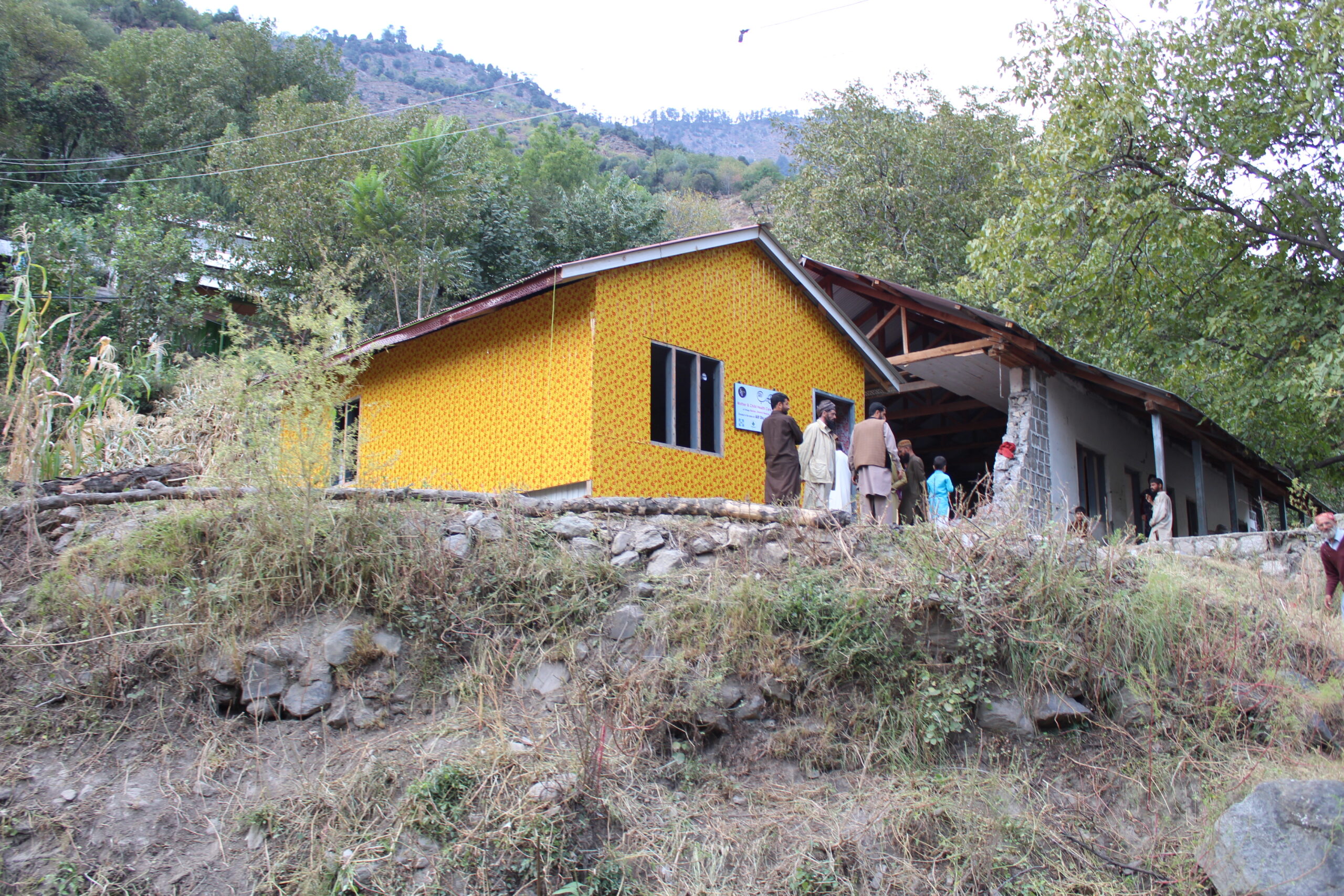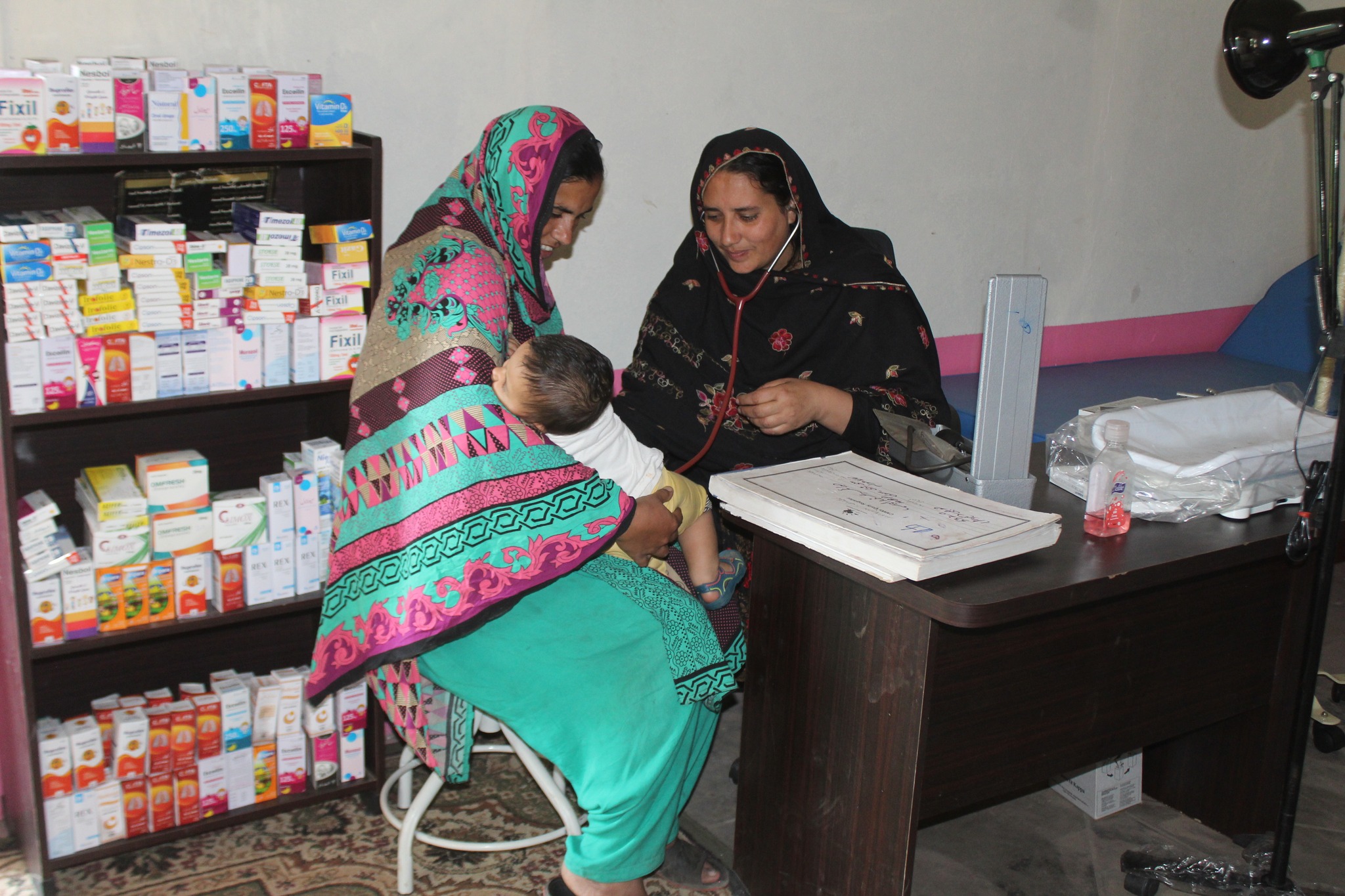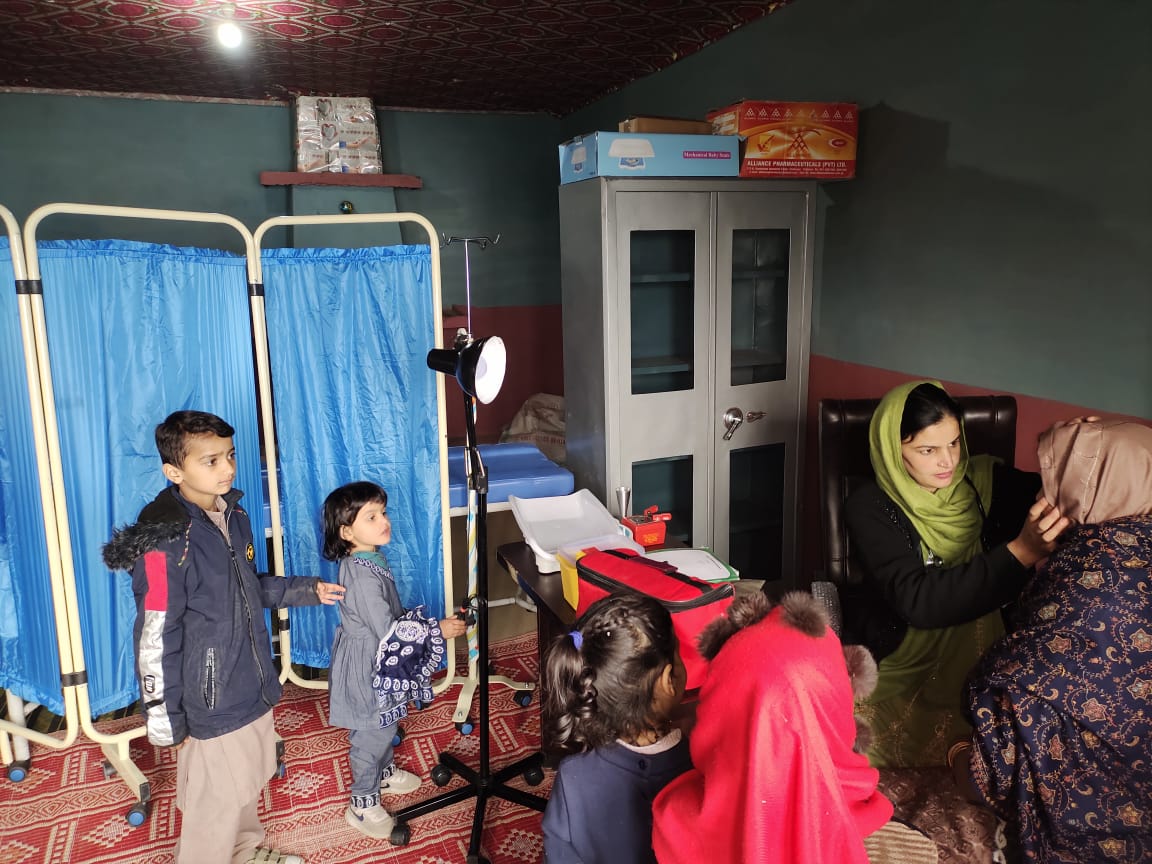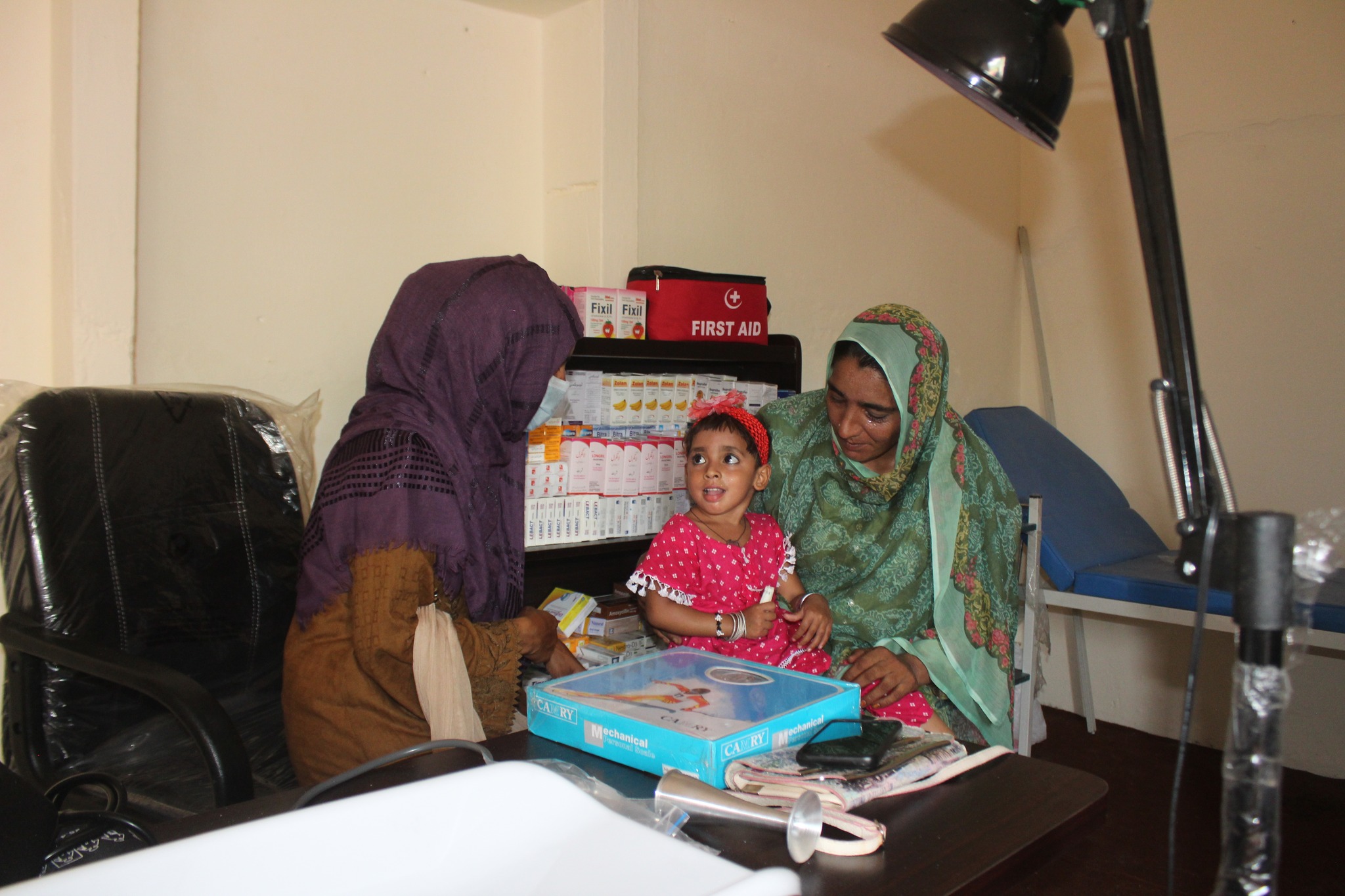
We launched the “1000 Lives for Kashmir” project in 2015 with the goal of reducing maternal and newborn mortality in remote areas of Kashmir and improving access to basic healthcare services for local communities. Since then, Kashmir Fund DK (KFDK) has focused extensively on addressing these critical health challenges. In many remote areas, healthcare infrastructure is limited and overstretched, making it difficult for women to receive adequate prenatal and postnatal care.
Building capacity and strengthening the skills of midwives in Kashmir is vital for the health and survival of mothers and newborns. Given that Pakistan has one of the highest child mortality rates in the world, KFDK has committed to establishing dedicated maternal health clinics throughout the region.
The project’s objective is to reduce pregnancy- and childbirth-related maternal and newborn deaths by setting up health centres with clearly defined goals:
Promote safe motherhood and reduce maternal mortality in selected areas of Azad Jammu & Kashmir (AJK).
Develop trained human resources to strengthen maternal health services in these areas.
Increase the capacity of healthcare personnel to improve maternal health care locally.
Traditional birth attendants play an important role in supporting pregnant women, but they often lack formal medical training, which can pose risks during childbirth. To address this, KFDK has prioritized training and support for formally educated Community Midwives (CMWs), who receive both practical and theoretical training.
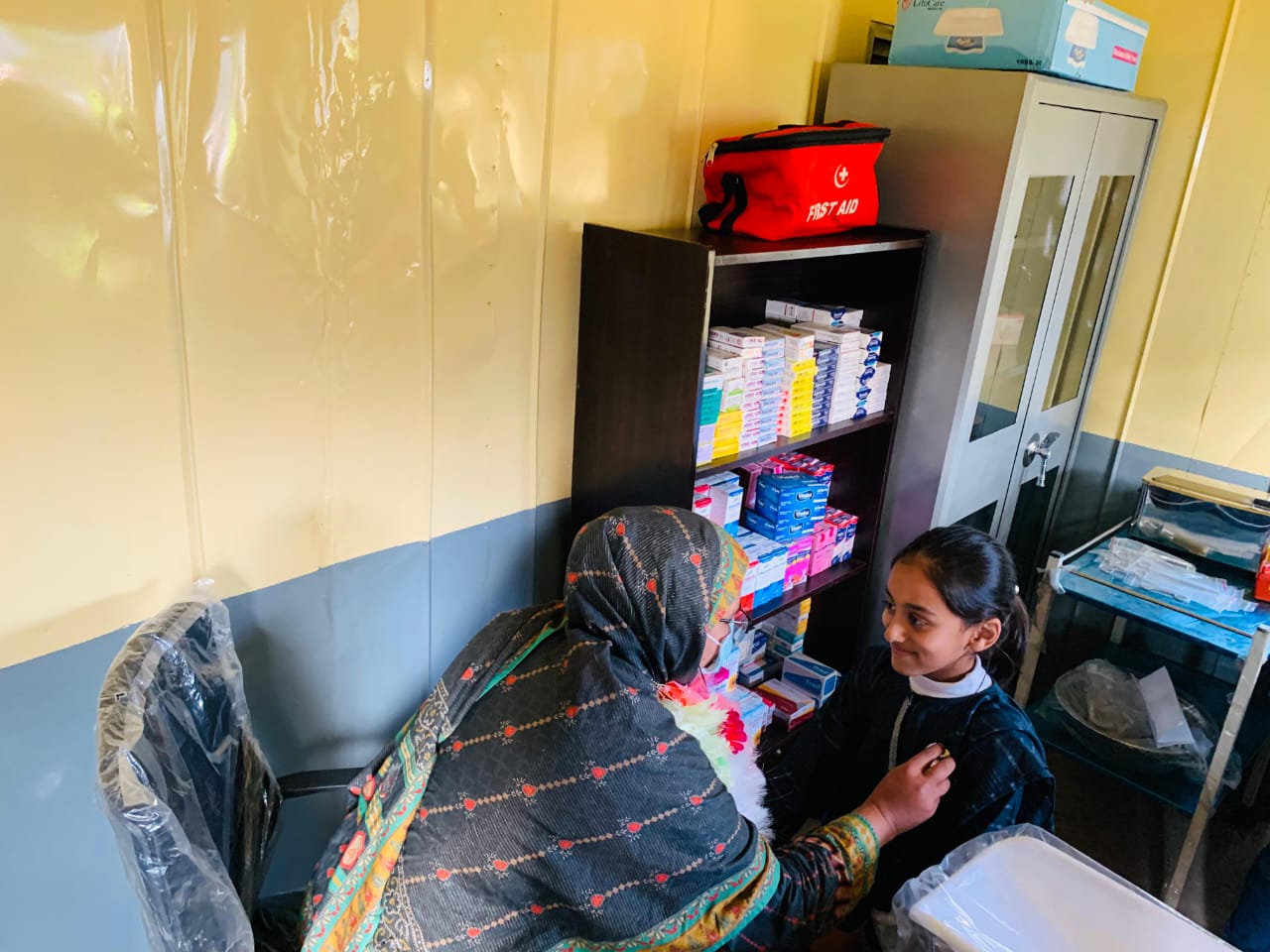
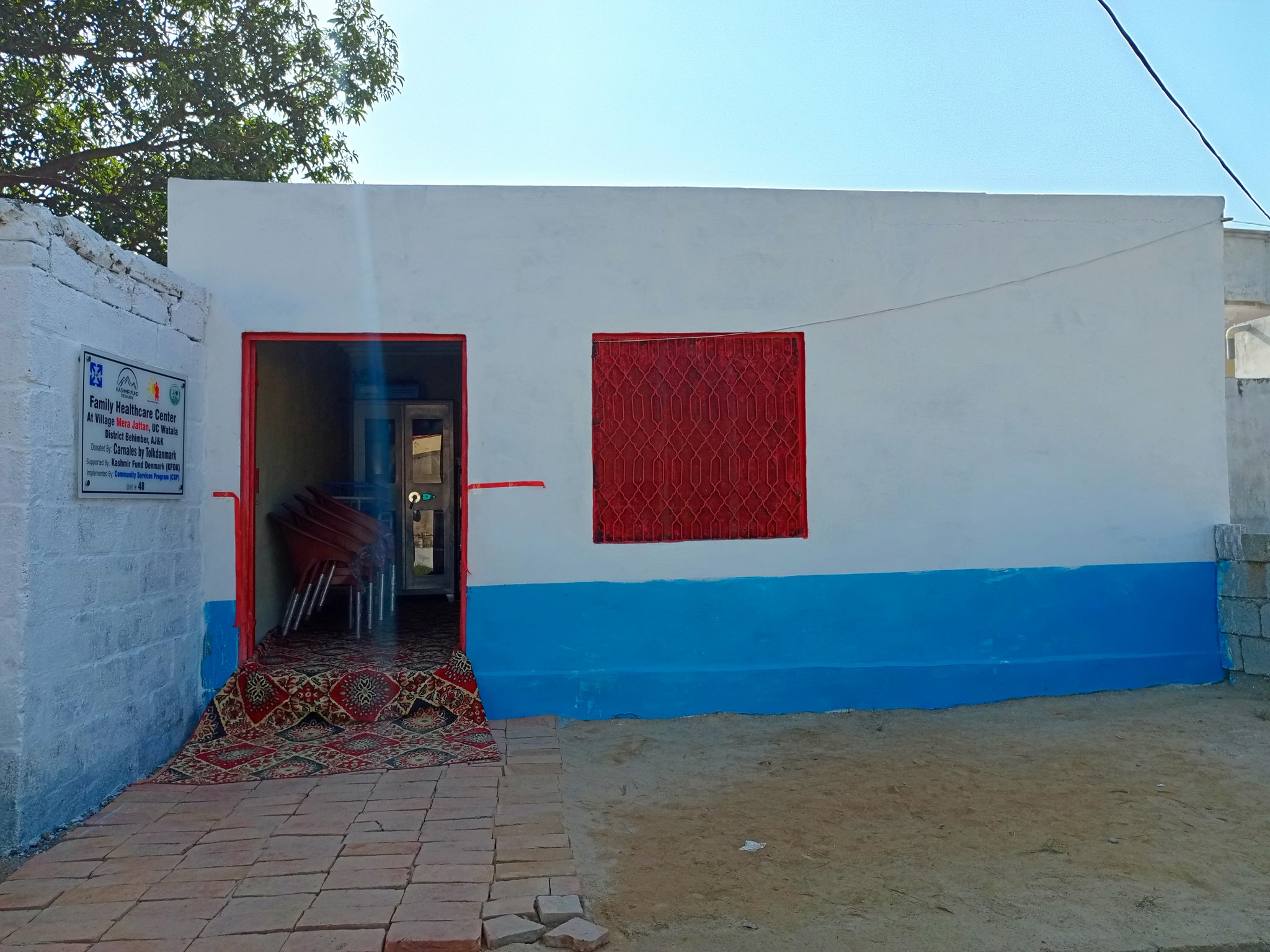
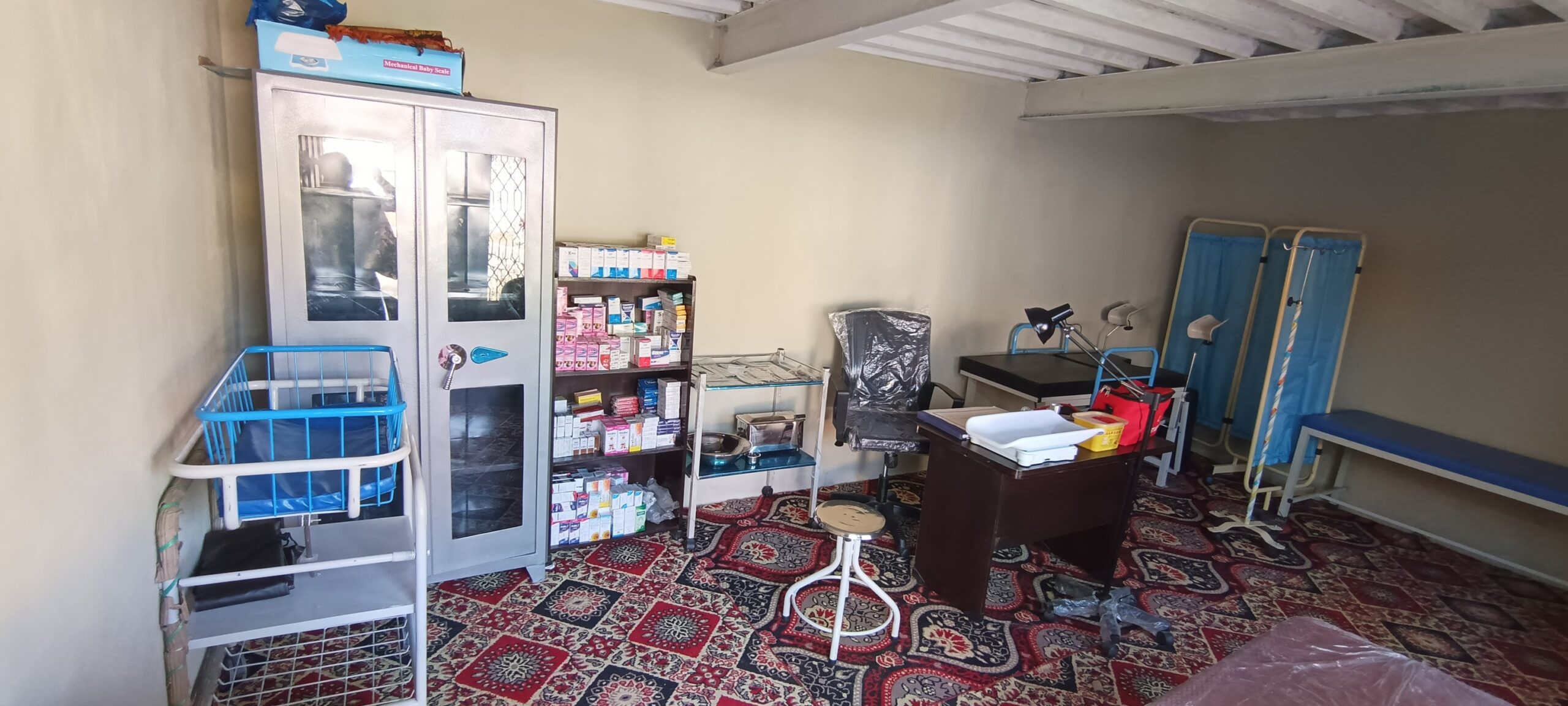
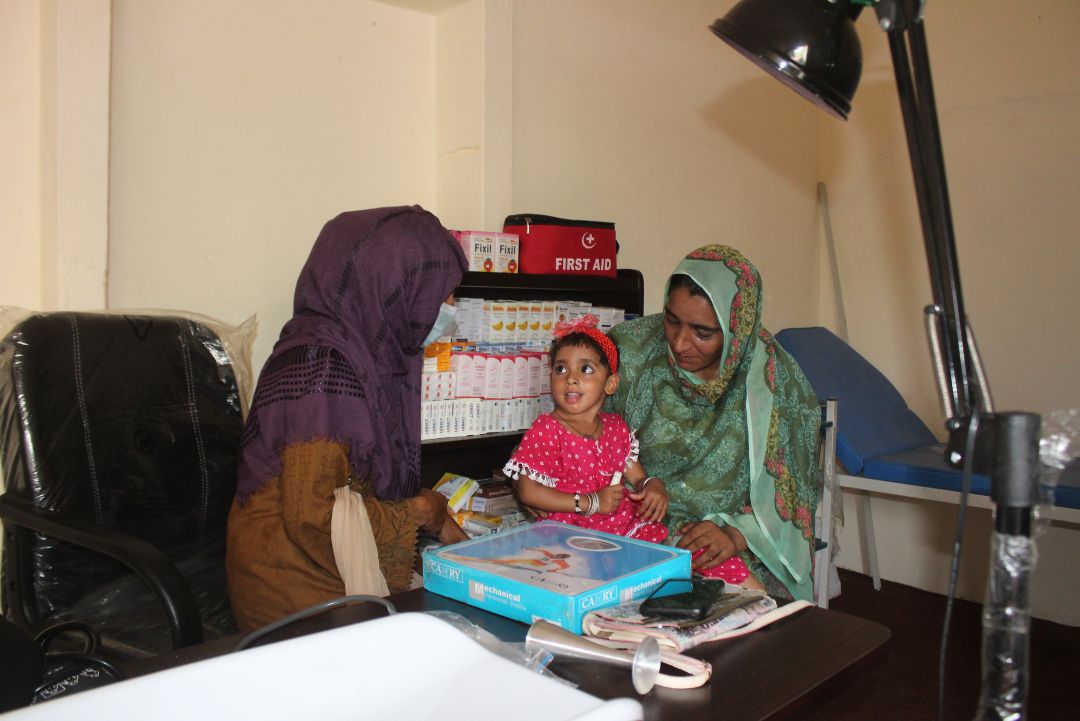
CMWs are deployed to remote villages through our Family Healthcare Centres, where they have access to essential equipment—such as examination tables, delivery beds, stethoscopes, blood pressure monitors, and medications—to provide basic healthcare services. Specialized training is also offered to enhance their skills in managing complicated births.
By providing locally accessible, qualified healthcare in remote villages, KFDK aims to significantly reduce maternal and child mortality. In partnership with local authorities, we ensure 24/7 CMW services in these isolated communities.
Our first healthcare centre was established in 2015, followed by another pilot centre in 2016. Positive outcomes from these two pilot projects led to the launch of a larger program targeting the most critical areas along the Line of Control (LOC) in AJK. After evaluating requests and local data, we focused on Neelum and Haveli districts due to their remoteness and proximity to the LOC, which increases challenges for residents.
The project has since expanded to include Bhimber, Jhelum Valley, and Kotli districts. From 2016 to 2026, KFDK has successfully established over 60 health centres, providing communities with access to essential health facilities, safe birth management, first aid, treatment of minor conditions, and health counselling.
In collaboration with the MNCH Department of Azad Jammu & Kashmir and local District Health Offices (DHO), trained midwives have been stationed at these centres to provide deliveries, medical examinations, and treatments. KFDK continues to work closely with local authorities to ensure the highest quality healthcare for communities in these remote areas.
Looking ahead, KFDK plans to expand the network of maternal health centres across AJK and other remote regions of Pakistan, increasing access to trained midwives and essential healthcare for more communities in need.
Our 2025 camp was held at the Rural Health Center (RHC) in Chinari, Jhelum Valley — a hospital renovated and upgraded by KFDK. A Danish-Pakistani medical team treated over 2,000 patients with acute, sub-acute, and chronic conditions. Patients traveled long distances on foot or by rickshaw to receive specialist care. Over 30 local volunteers supported the camp, and all examinations and medications were provided free of charge. Surplus medication was donated to local hospitals most in need. The camp was a success, widely welcomed by the community, and received coverage from major Pakistani media, including PTV, GEO News, and Aaj News.
In 2022, our team visited Haveli District Hospital, treating over 3,200 patients with a combination of Danish-Pakistani doctors and 25 local volunteers. Patients again came from far afield, and all care and medications were provided free. Surplus medicines were donated to the district hospital. The camp was well-received, with patients expressing gratitude and encouraging KFDK to continue serving the local population.
Building on the success of previous camps, the 2018 camp was held in Neelum District at Bata Health Center, three hours beyond our 2016 camp location. In partnership with Community Services Program (CSP) and Sustainable Development Organization (SDO), a Danish-Pakistani medical team treated over 2,300 patients, supported by 15 local volunteers. All care and medication were free, and a third of the annual medication budget was donated to the district hospital.
In 2016, KFDK launched its first medical camp focused on general medical care in Muzaffarabad District at BHU Pattikah. Originally expecting 1,500 patients, the camp treated 2,341 patients over three days — including 691 men, 975 women, and 747 children. The team of 12 doctors, including three of Danish-Pakistani origin, was supported by 15–20 local volunteers. Free examinations and medications were provided, ensuring patients from the entire district, many traveling long distances, received essential care. The camp was successfully completed and featured in local media.
Imagine a young, talented girl who shines wherever she goes — only for her future to be destroyed in seconds by acid or fire. Imagine her life turned upside down, replaced by stigma, shame, and social rejection. Imagine the despair of losing the will to live, dreaming only of a normal life she can no longer access.
Children and young people with burn and chemical injuries are robbed of their childhood and face constant social exclusion. Families are burdened by the high cost of treatment, and the affected individuals are often left without hope for recovery.
With support from Kashmir Fund DK, the organization Inter Plast made four missions between 2012 and 2015, bringing doctors, nurses, and volunteers from Denmark and the UK to provide life-changing surgical care — free of charge — to over 400 patients in Kashmir.
Patients of all ages received treatment for burns, acid injuries, cleft lips and palates, and other congenital or acquired deformities. Without these surgical camps, many would have no realistic access to care, as treatments are often far more expensive than the average annual income in the region.
By supporting projects like 1000 Smiles for Kashmir, we helped restore dignity, hope, and a future to those who needed it most.