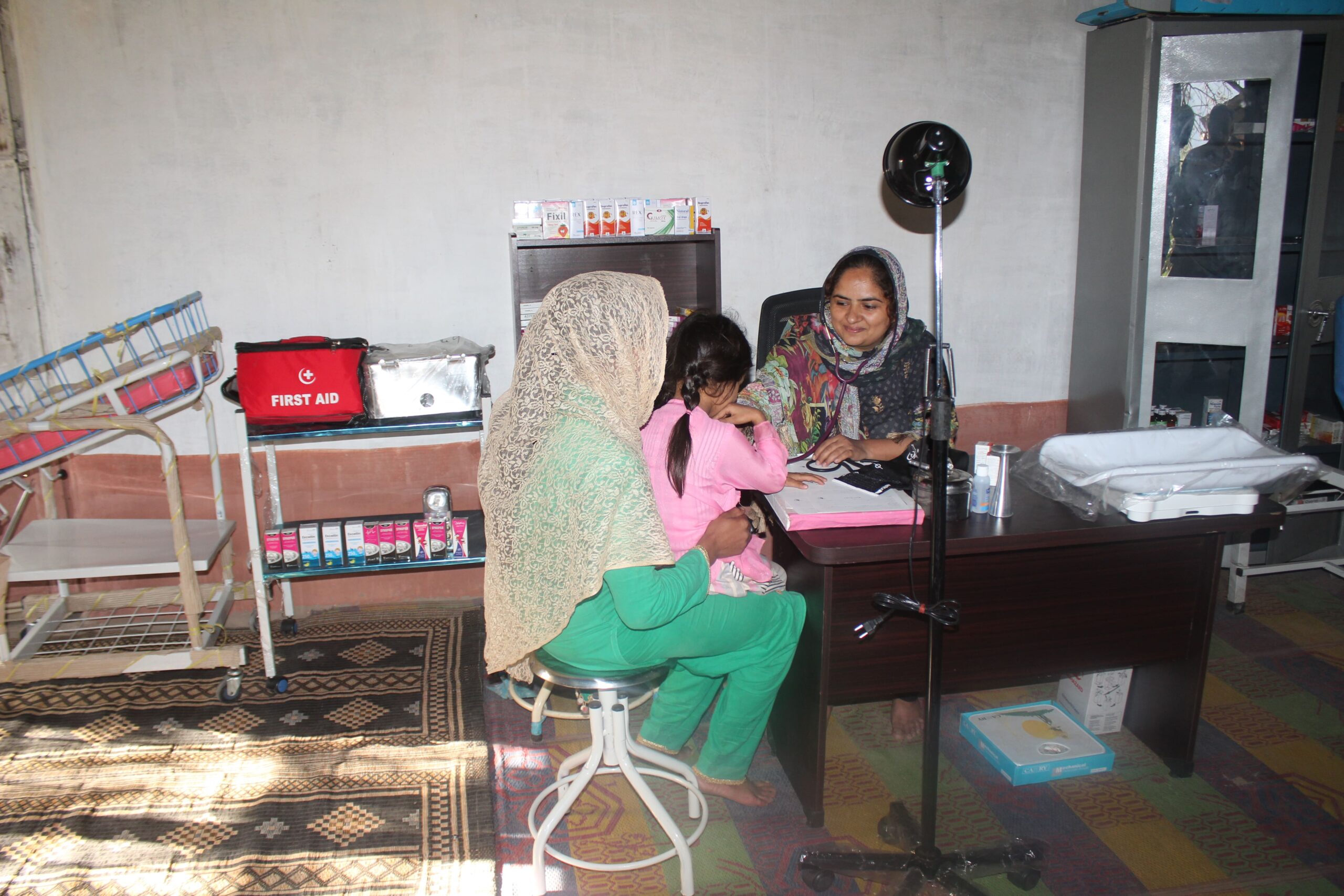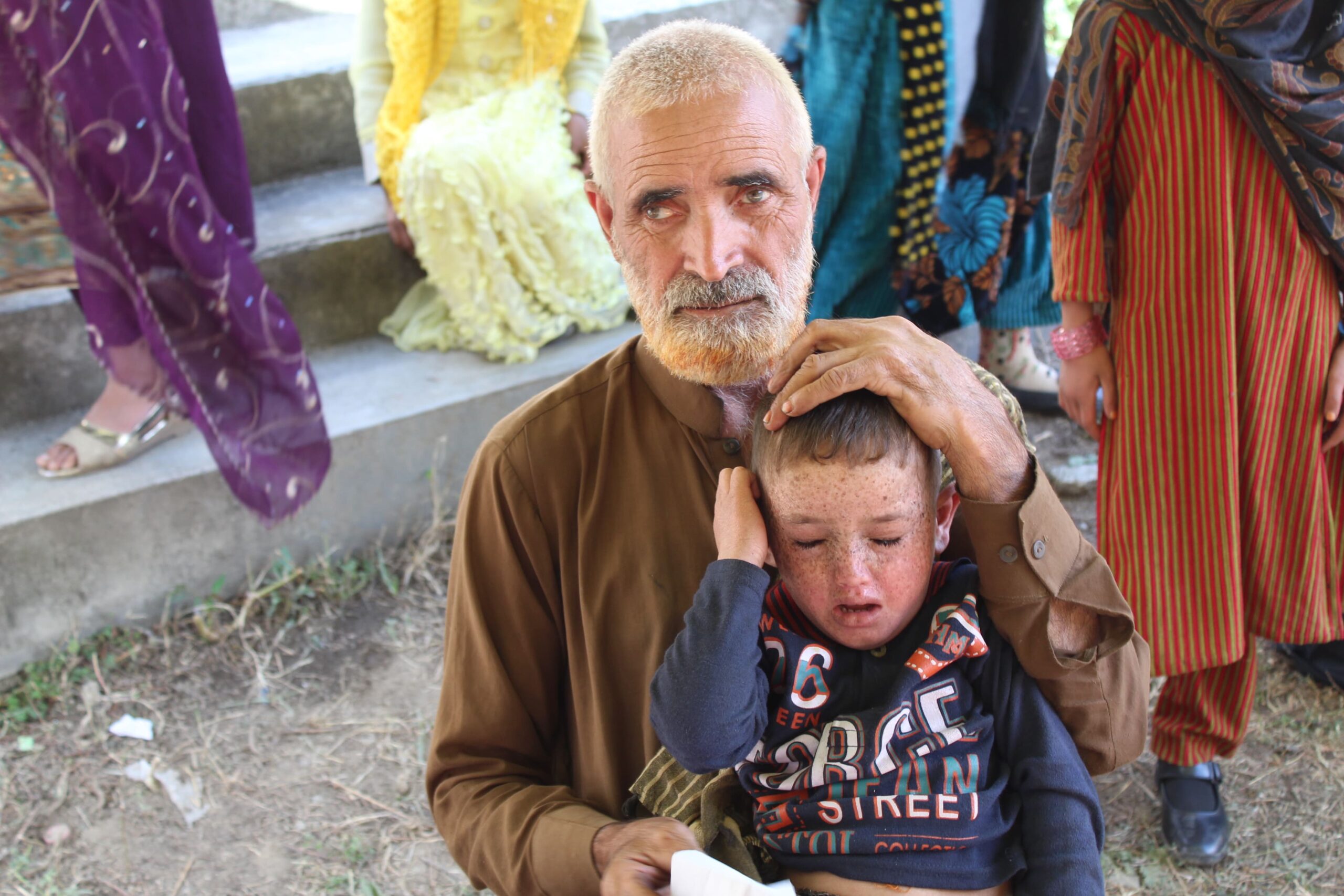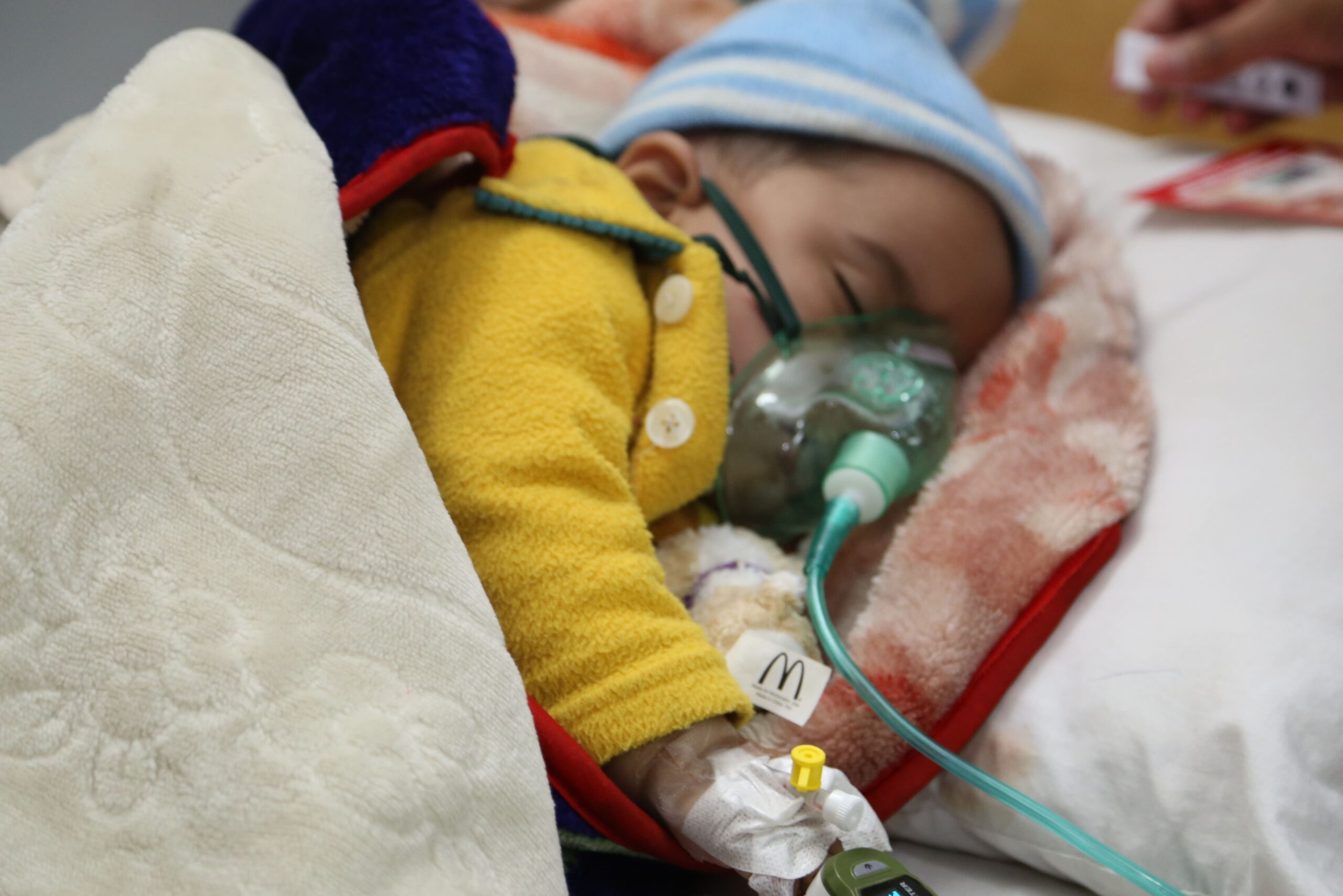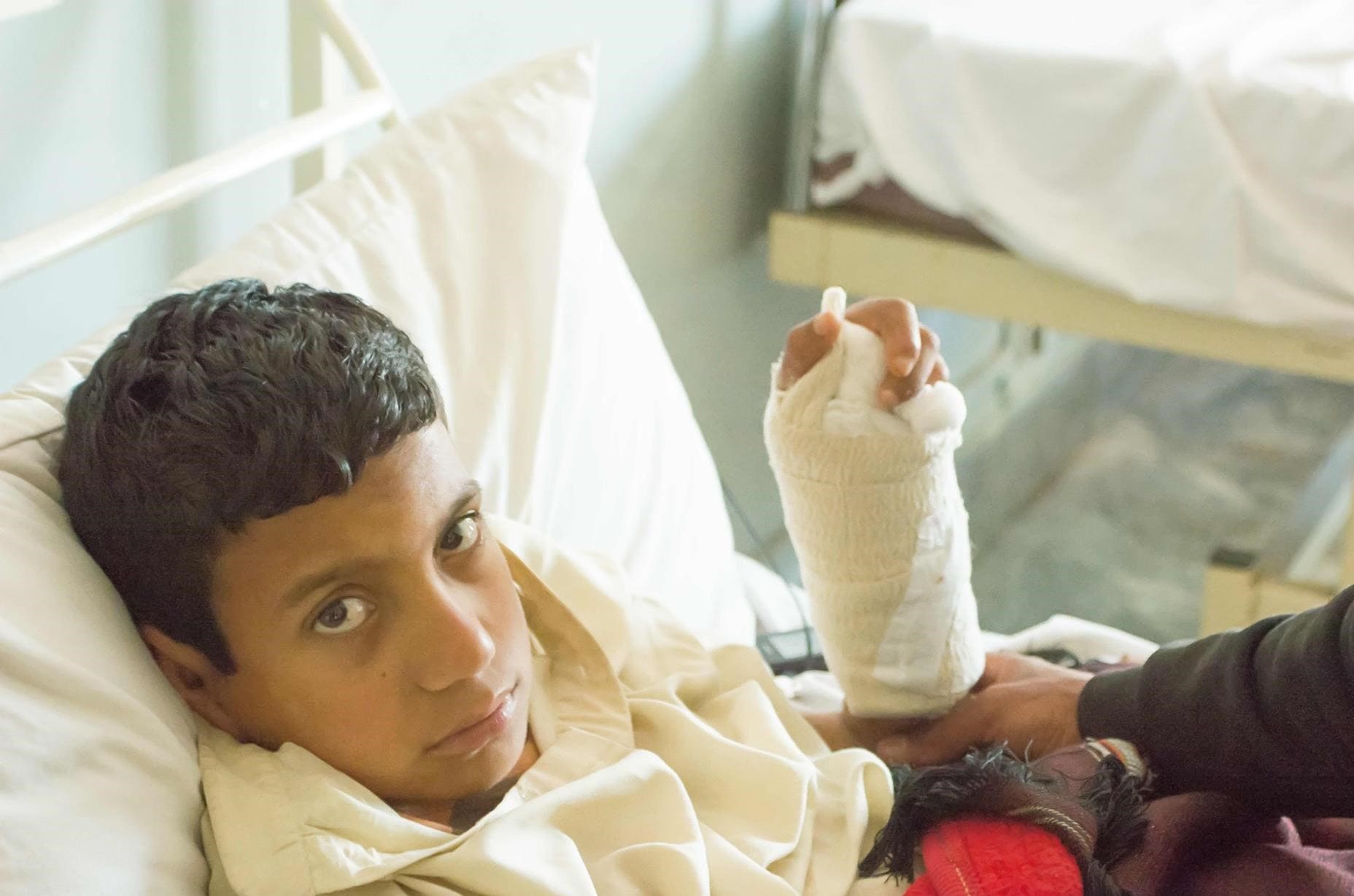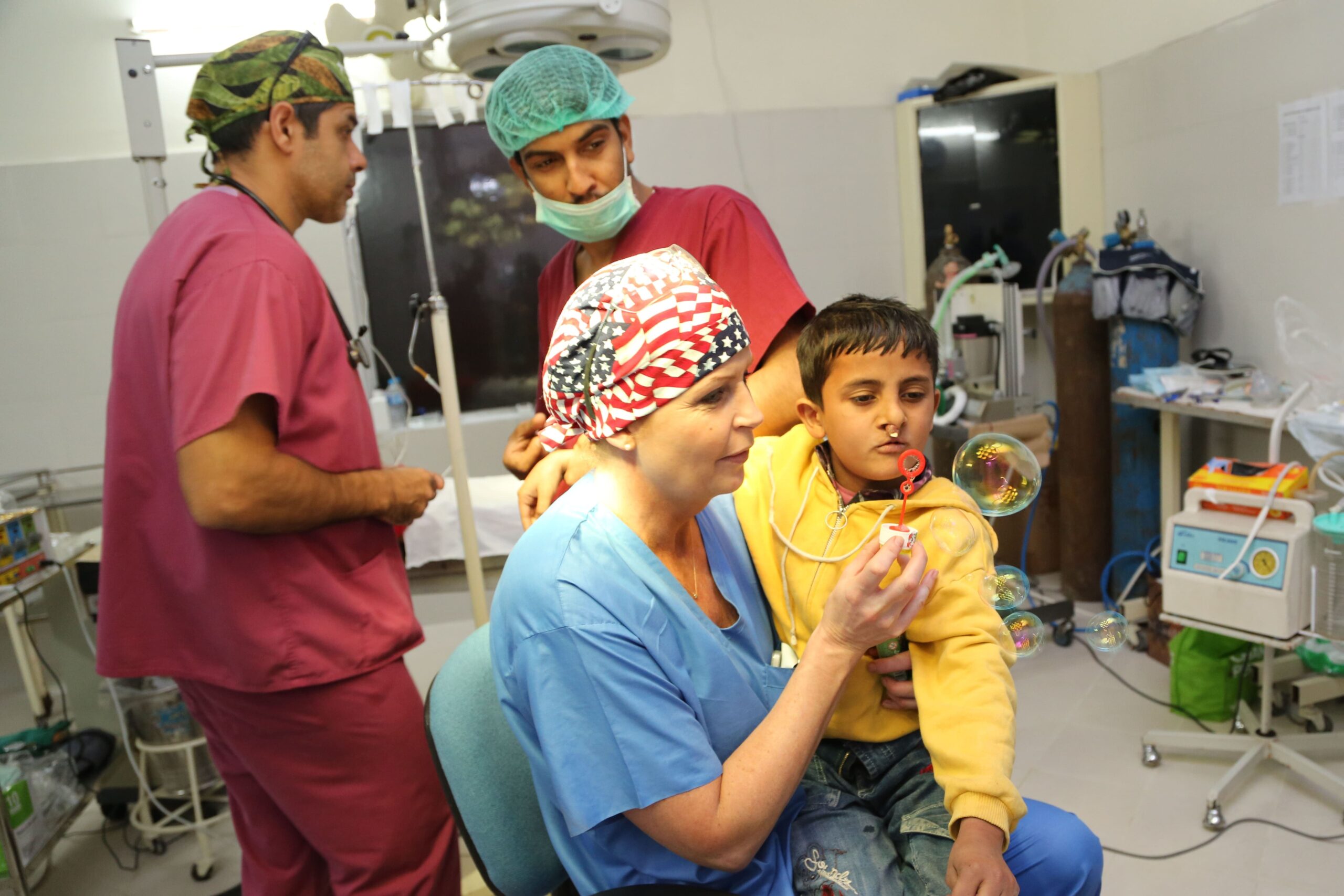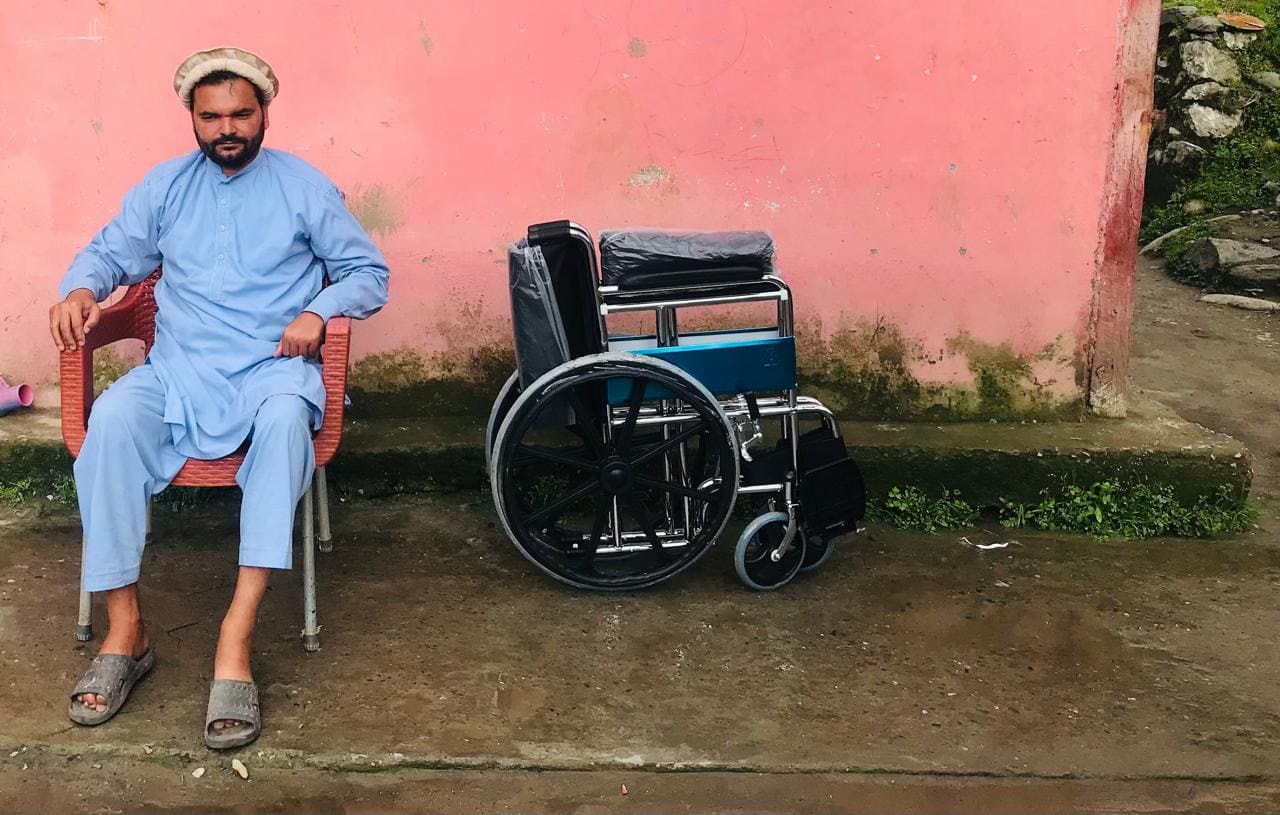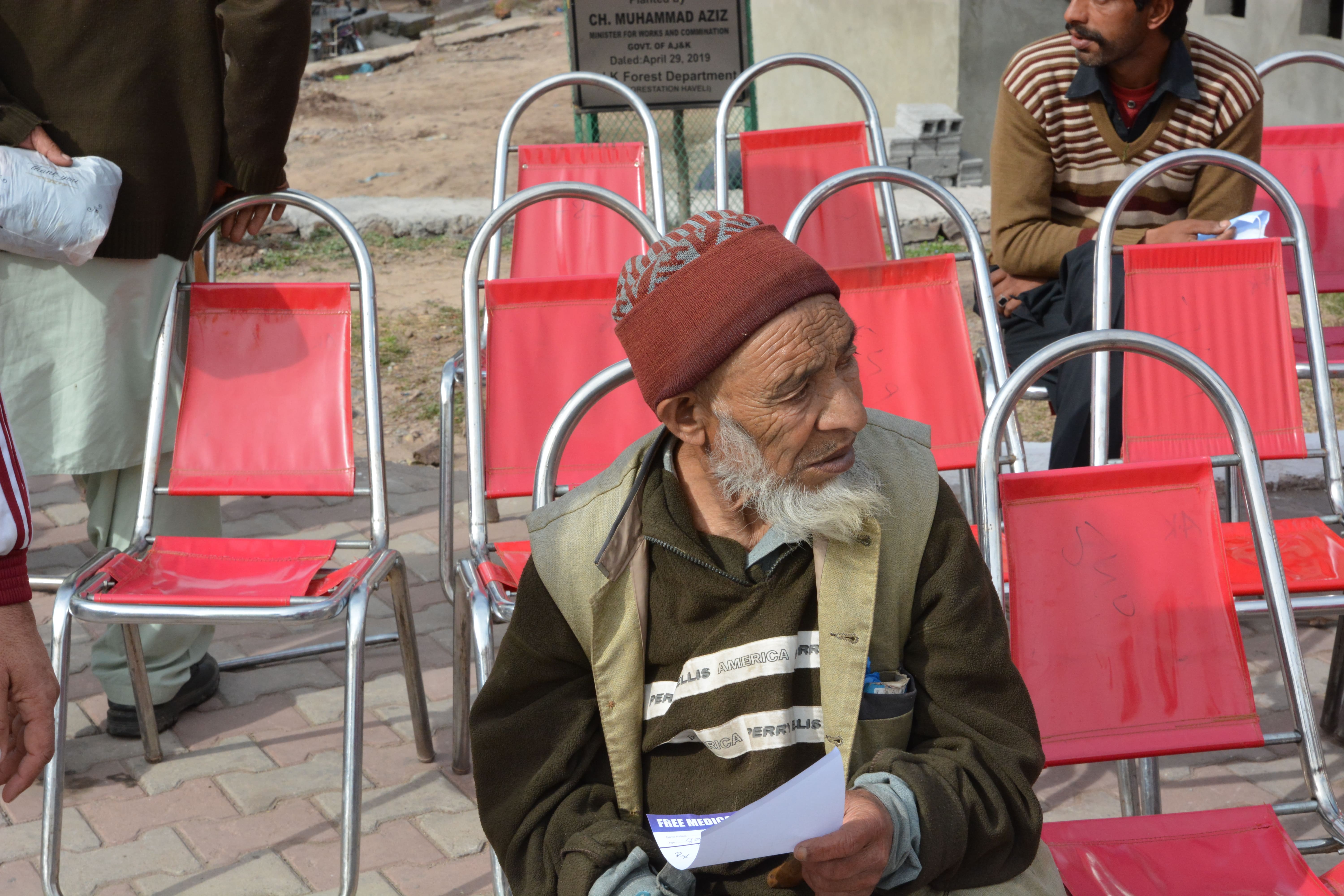
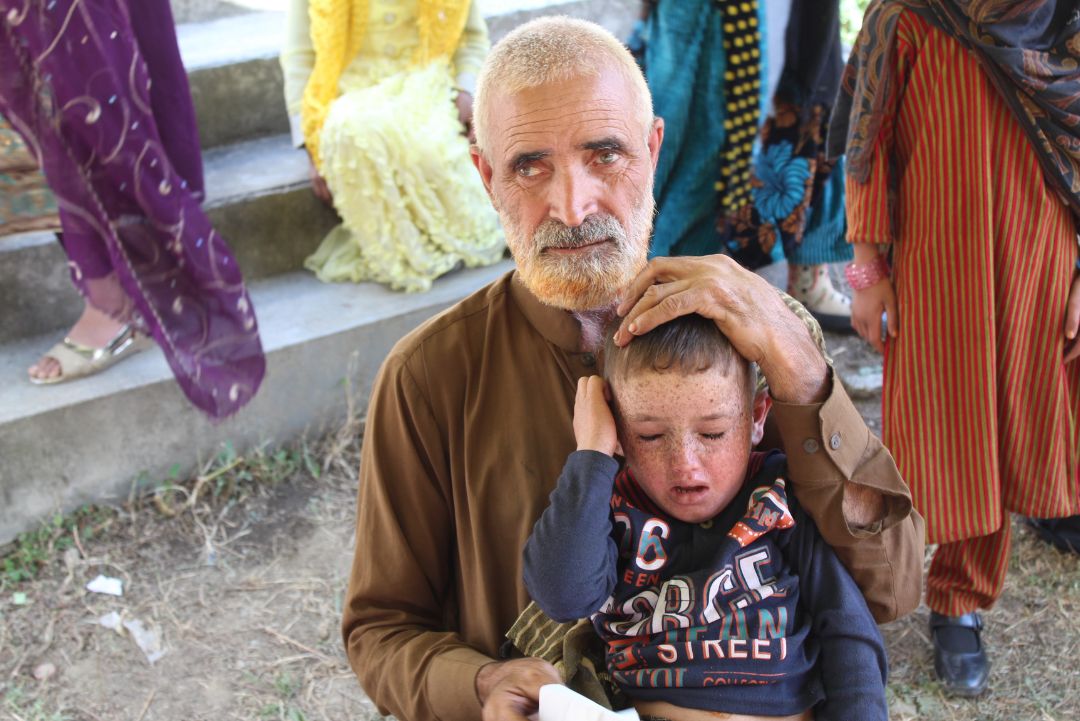
In Kashmir, access to healthcare remains a daily struggle for many families. Pakistan has four times fewer doctors per capita than Denmark, and in remote regions, many healthcare professionals either move abroad or are unwilling to work. In Kashmir, this shortage has severe consequences: maternal and child mortality rates are high, malnutrition and infectious diseases are widespread, and chronic illnesses go untreated. Families in isolated villages often face long journeys just to reach the nearest clinic, and without trained medical staff nearby, preventable deaths are all too common.
Kashmir Fund DK is committed to changing this. Through a three-pronged strategy, we bring healthcare where it is needed most:
Thanks to these efforts, thousands of families now receive care that was previously out of reach. Women and children who might otherwise have faced preventable illness or death are getting the support they need. Through medical camps, training sessions, and newly built clinics, Kashmir Fund DK is helping communities not only survive but thrive — bringing hope, health, and resilience to one of Pakistan’s most remote and beautiful regions.
Over a year after the devastating floods in Pakistan, millions — especially children — still needed humanitarian aid and clean drinking water. In many of the hardest-hit and poorest areas, conditions worsened as destroyed roads, bridges, schools, and health facilities deepened existing inequalities. Malnourished children and vulnerable families faced hunger and disease with little support.
Kashmir Fund DK (KFDK) deployed teams to assess needs and document the situation of families still awaiting aid and resettlement. Food insecurity remained critical, so we launched awareness campaigns and distributed food parcels, prioritizing malnourished children and the most affected families.
Severe flooding in the Vehari District of southern Punjab submerged hundreds of villages and displaced over 130,000 people. With few relief camps and floodwaters up to 2.4 meters deep, many were stranded without food or shelter.
KFDK’s local team quickly assessed the damage and, within days, delivered food packages with a month’s supply of essentials to the hardest-hit families, focusing on the elderly and households with children.
Pakistan experienced one of the worst floods in its history — a climate catastrophe, according to the UN. Months of torrential rains submerged vast areas, affecting 33 million people, claiming over 1,700 lives, and causing an estimated 210–245 billion DKK in damages.
Even after the water receded, destruction was widespread. In Sindh and Balochistan, large regions remained underwater, and survivors reported little or no aid. Many returned to damaged homes surrounded by stagnant water, while others built makeshift shelters on the ruins of their villages. Poverty deepened, and vulnerability soared.
Sindh province was among the hardest hit, with 23 districts declared disaster zones. Over 400 people, including many women and children, lost their lives; 900,000 homes were damaged, and vital infrastructure — including 2,300 km of roads — was destroyed. Crops and livestock losses amounted to billions.
Despite the declared state of emergency, aid was scarce. In Sanghar District’s village of Hamir Khan Jariko, KFDK distributed relief packages to 100 families who had waited weeks for help — the first assistance they had received. “We brought a glimpse of hope and smiles to their faces,” said our local contact.
Reaching the village was a major challenge due to severe flooding, but our team succeeded in delivering food and relief supplies to families left isolated in one of Pakistan’s poorest regions.
Disaster relief was central to our mission in 2022, following historic floods that wiped out 2 million hectares of crops and 800,000 livestock. Over 1,100 people lost their lives, and millions were displaced as monsoon rains — ten times heavier than normal — submerged nearly one-third of Pakistan. Damages exceeded USD 10 billion, with 33 million people affected and more than a million homes destroyed.
KFDK immediately mobilized local teams, suspending all other programs to focus on emergency response. With donor and partner support, we carried out our largest operation to date, reaching remote communities in Sindh and Balochistan and delivering food aid to over 10,000 people within weeks.
The UN classified the disaster as a climate crisis — a stark reminder that such extreme events will become more frequent. Strengthening our emergency response and local resilience remains a key priority for the future.
In June 2022, an unexpected snowstorm and heavy rain hit the Neelum Valley in Azad Kashmir, severely affecting poor nomadic families. Their tents were destroyed, livestock killed, and many people injured. These families depended entirely on their animals for survival, migrating from southern AJK and Punjab to the high pastures each summer.
KFDK’s team reached the remote mountain area, located over 3,000 meters above sea level, after a challenging 24-hour journey. We provided food and blankets to 21 of the hardest-hit families. Upon arrival, we discovered many more in need — over 50 families lacking food, clothing, and shelter, exposed to harsh weather conditions. Thanks to donor support, we delivered additional aid, including tents, warm clothing, and shoes for children to help them survive the cold.
A sudden cloudburst struck the Salkhala area of Neelum Valley, killing two people and injuring seven. Over 28 houses were destroyed, livestock swept away, and livelihoods lost. Many families, already living in poverty, were left with nothing.
KFDK’s volunteers were among the first responders, distributing food aid to 39 affected families, providing a month’s supply of essentials. The rapid response brought immediate relief and hope to families facing desperate conditions.
In November, renewed cross-border shelling in Kashmir caused heavy civilian casualties in the Neelum Valley. Many homes were destroyed, and two of our clinics were caught in the bombardment. Hundreds of people were left homeless as winter approached.
Our team conducted emergency relief operations, assisting 91 families whose homes were fully or partially destroyed, ensuring they received winter survival kits. Additionally, three widows and their families in Tehjian were provided with special support. In total, 94 families received emergency aid.
This critical assistance was made possible by the generosity of our donors and the dedication of our team in Neelum, who worked tirelessly in freezing temperatures and under continued shelling to reach those in need.
In 2010, Pakistan experienced severe flooding that affected over 20 million people. KFDK quickly launched a relief project with partner organizations in Denmark and the UK, identifying the worst-affected areas and providing food and clean water to thousands of families.
As the floodwaters receded, KFDK initiated a reconstruction project in collaboration with a UK partner in Jafarabad, eastern Balochistan — one of the most isolated regions. Floodwaters, up to two meters deep, remained for nearly two months, destroying 80% of homes. KFDK helped nine of the most affected families rebuild permanent housing and restore stability to their lives.
Kashmir Fund DK was founded in the aftermath of the devastating 2005 Kashmir earthquake — one of the deadliest in history. Over 80,000 people lost their lives, and 4 million were left homeless amid freezing conditions and destroyed infrastructure. Access to affected areas was nearly impossible, posing a severe challenge for aid delivery.
KFDK, in collaboration with DM-Aid, launched a rapid fundraising campaign to provide high-quality tents from the USA, designed for extreme winter conditions. Over 100 tents were delivered within weeks to the isolated village of Bani Minassa near Bagh, providing shelter for 600–800 people whose homes had been destroyed.
With generous support from members and the J. Lauritzen Foundation, KFDK financed a second tent project. We sourced 125 durable family tents with built-in stoves suitable for the harsh mountain climate. Our volunteers distributed them directly to the most affected families in Muzaffarabad, reaching between 800 and 1,200 people. These shelters provided warmth, safety, and dignity during the long winter months.