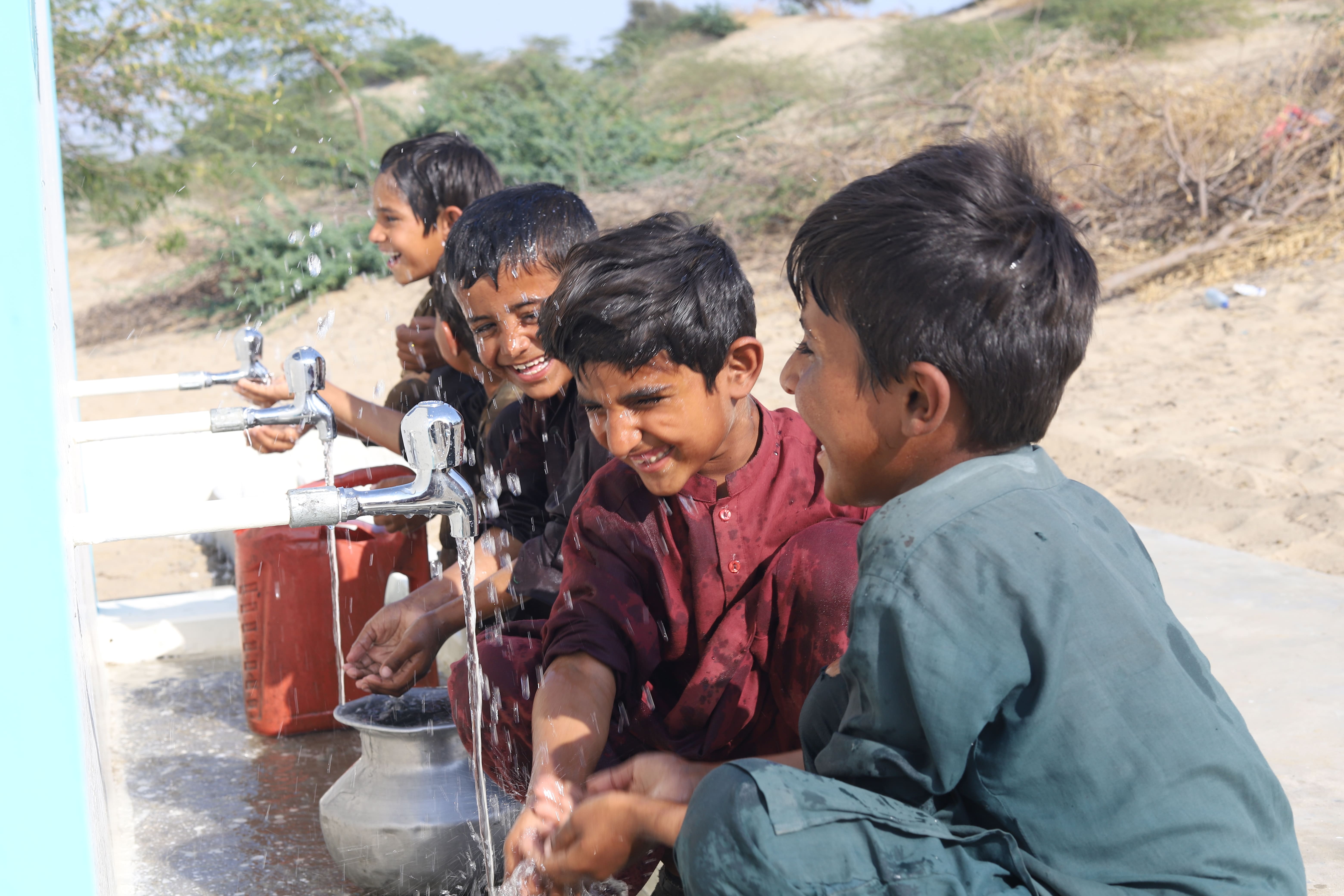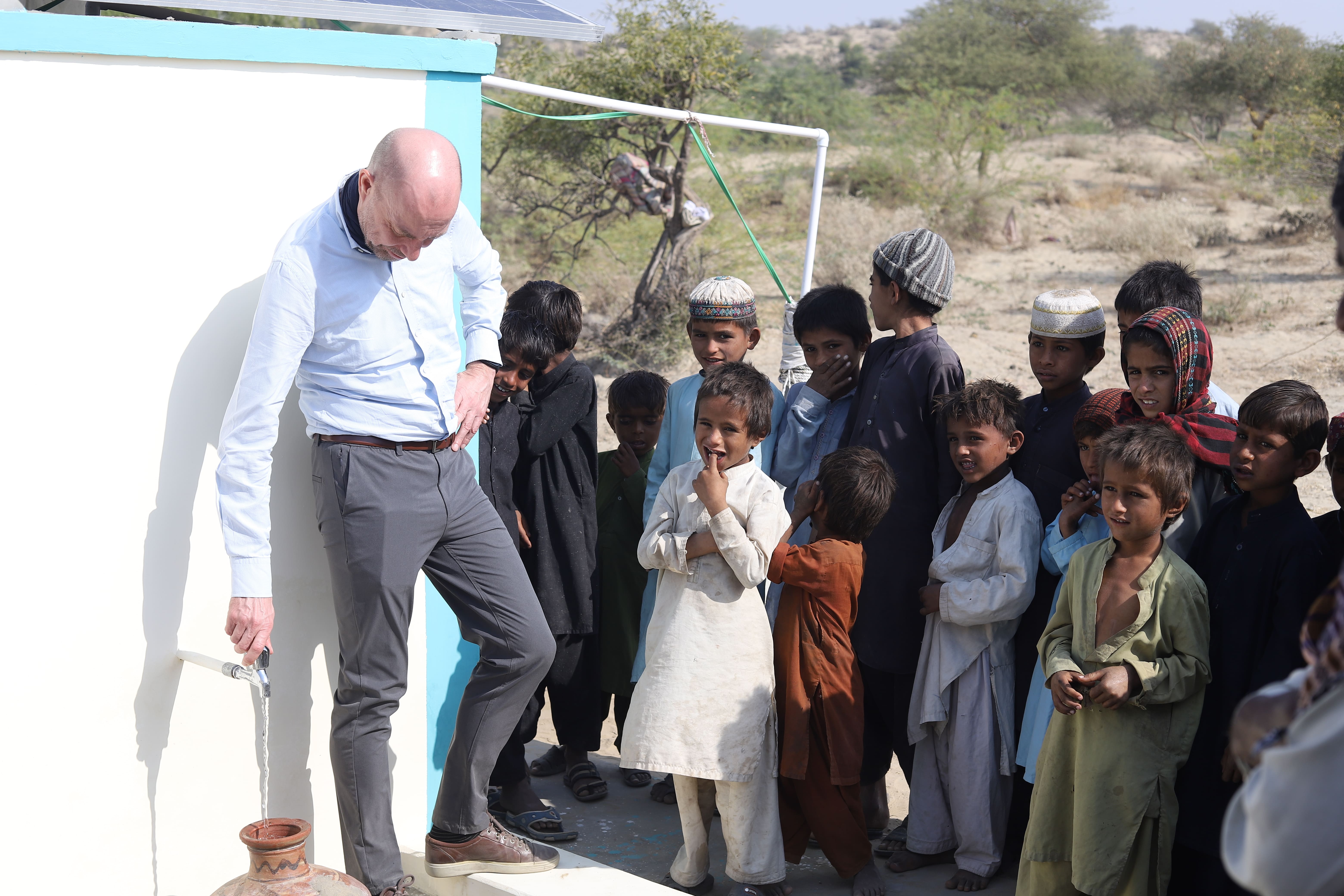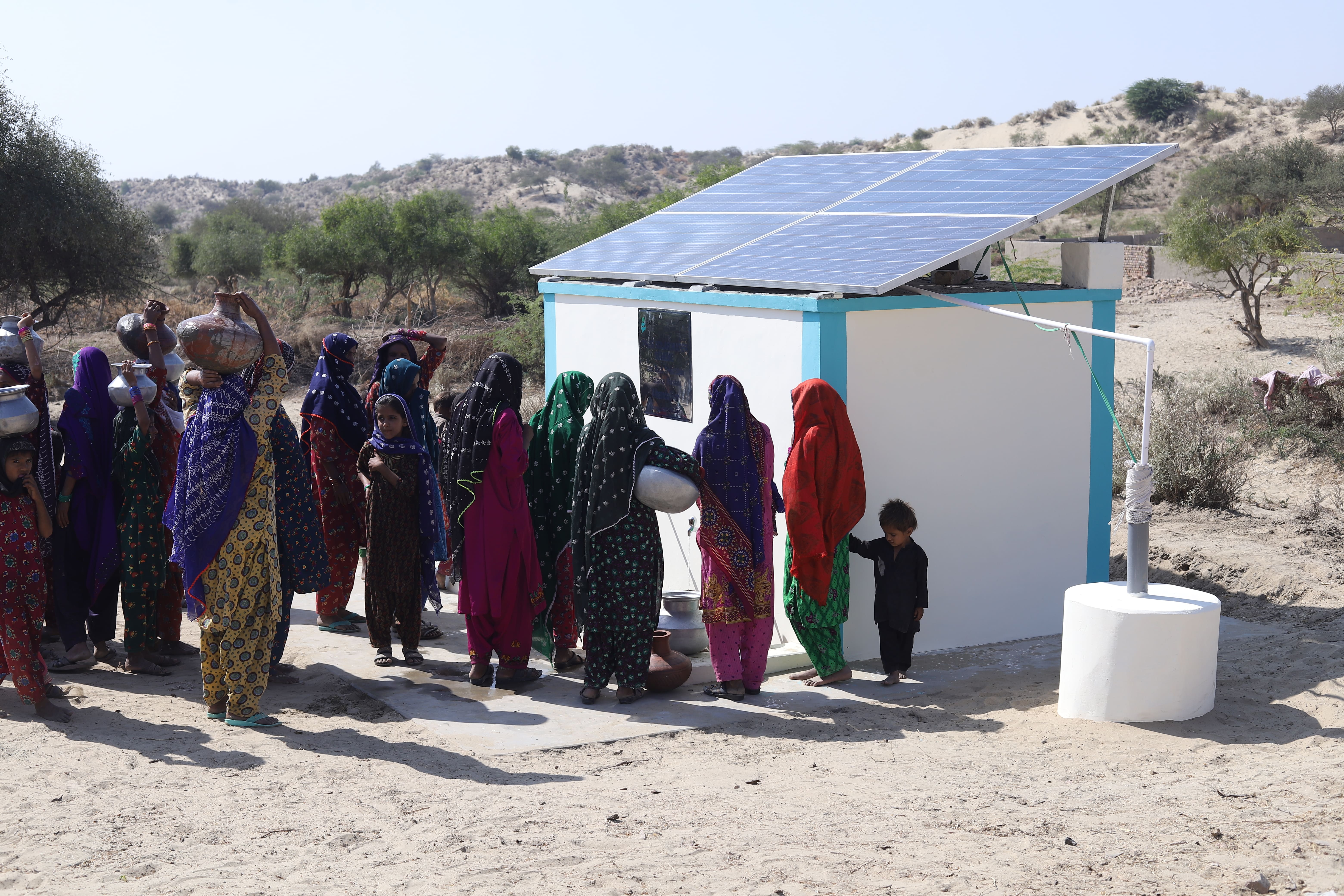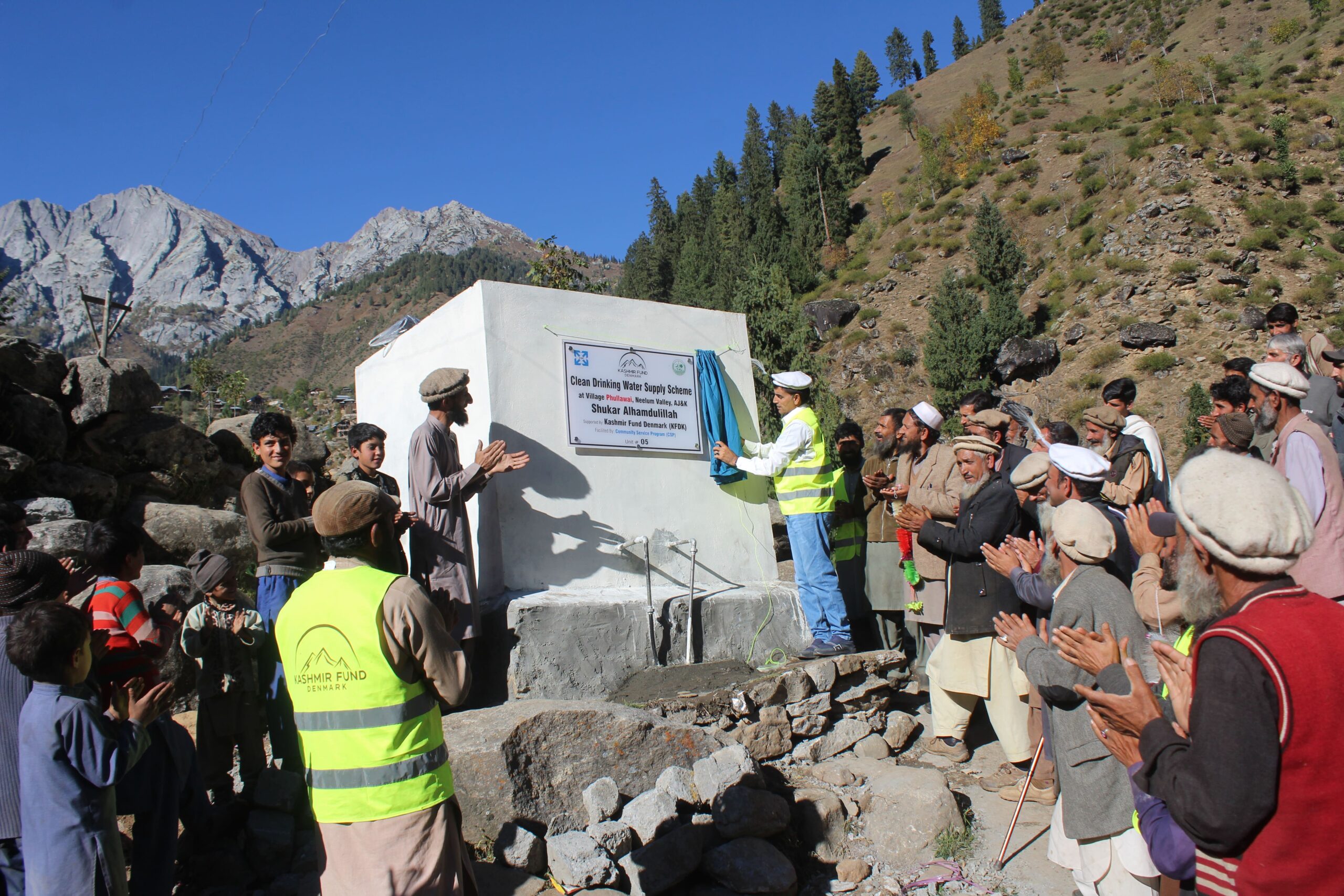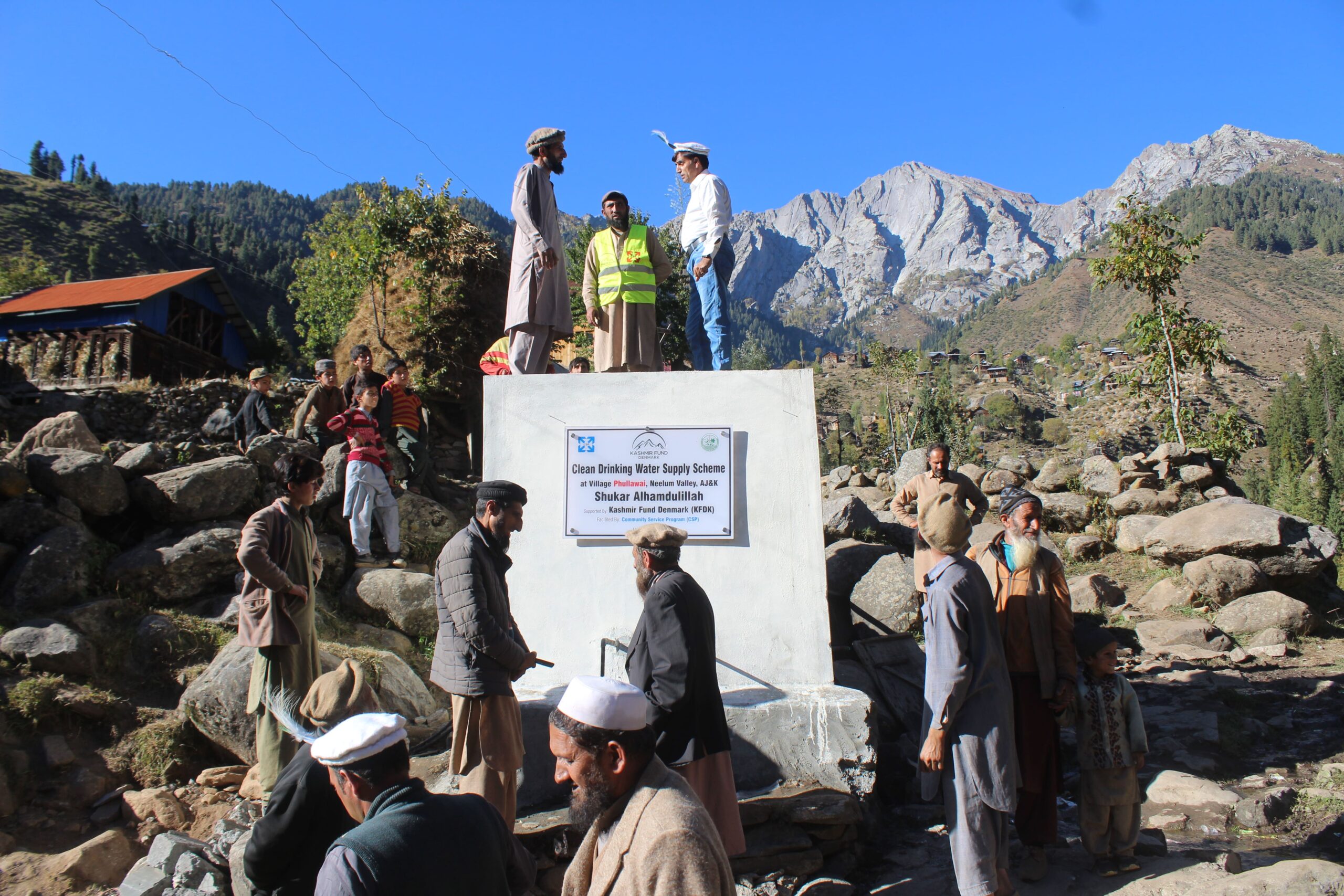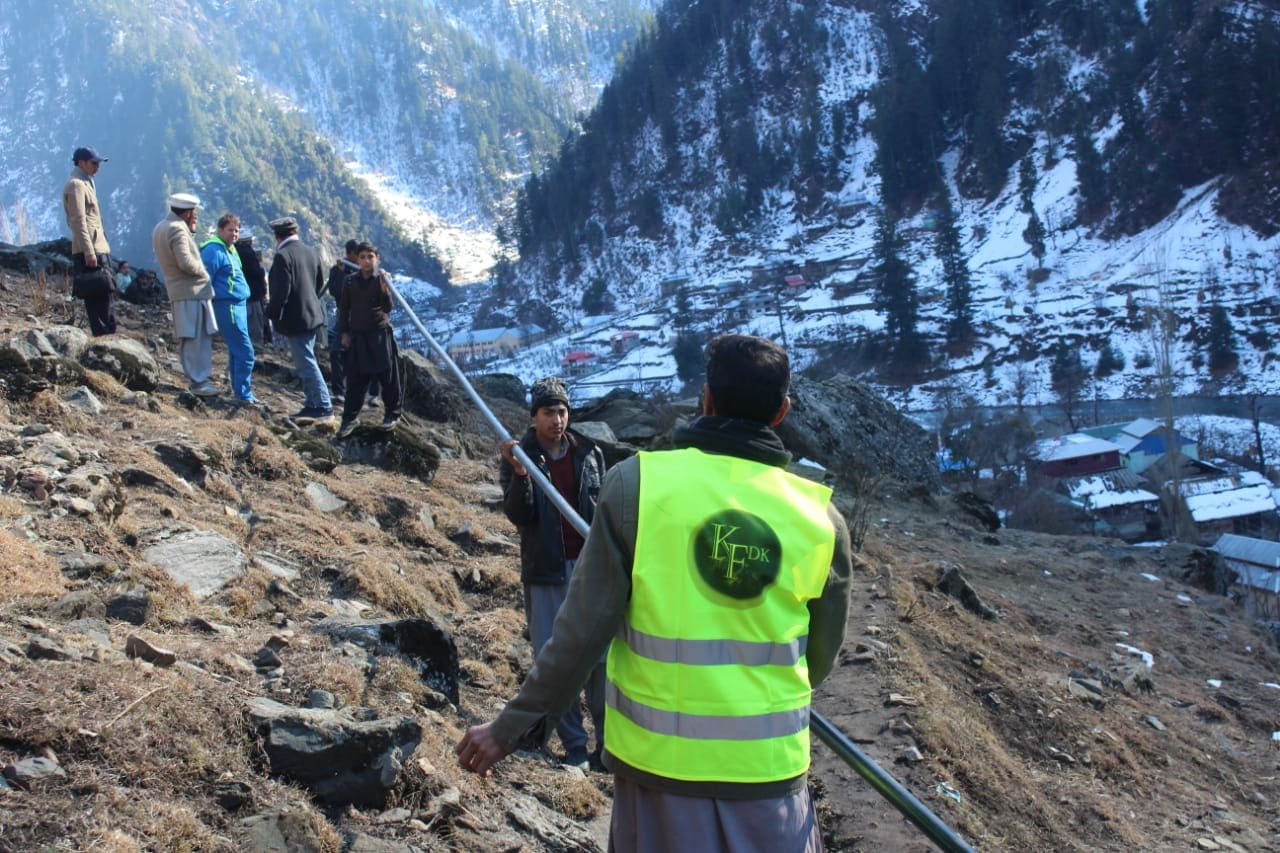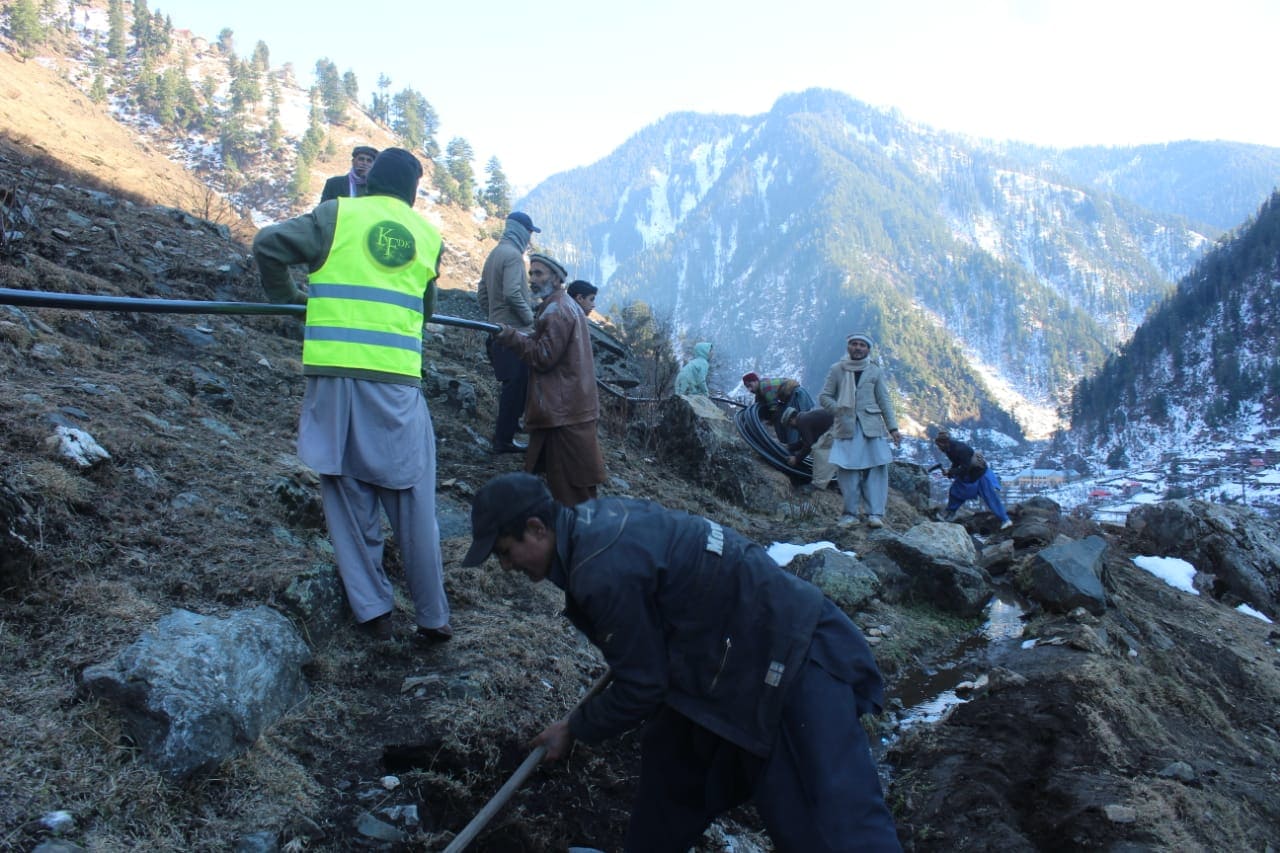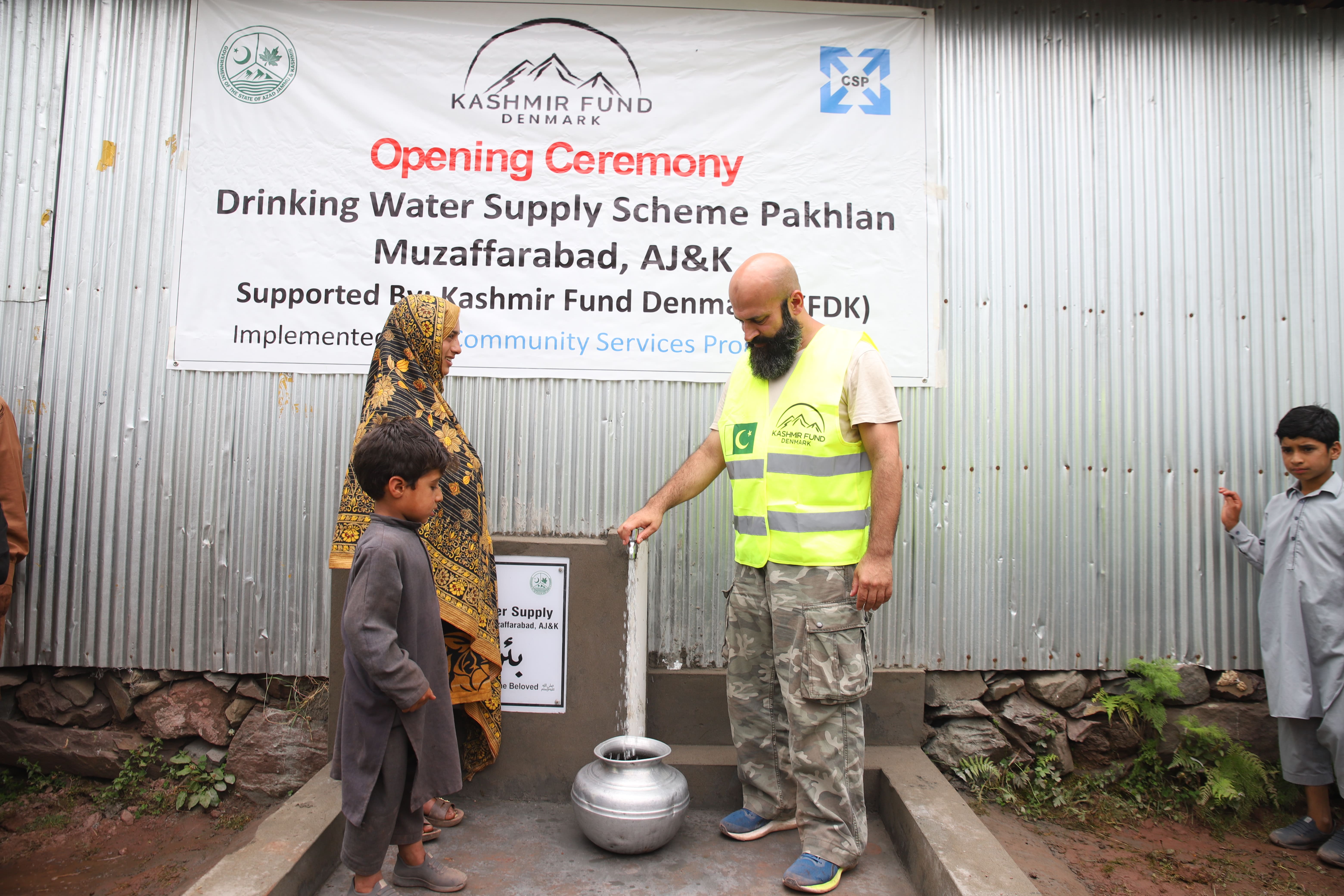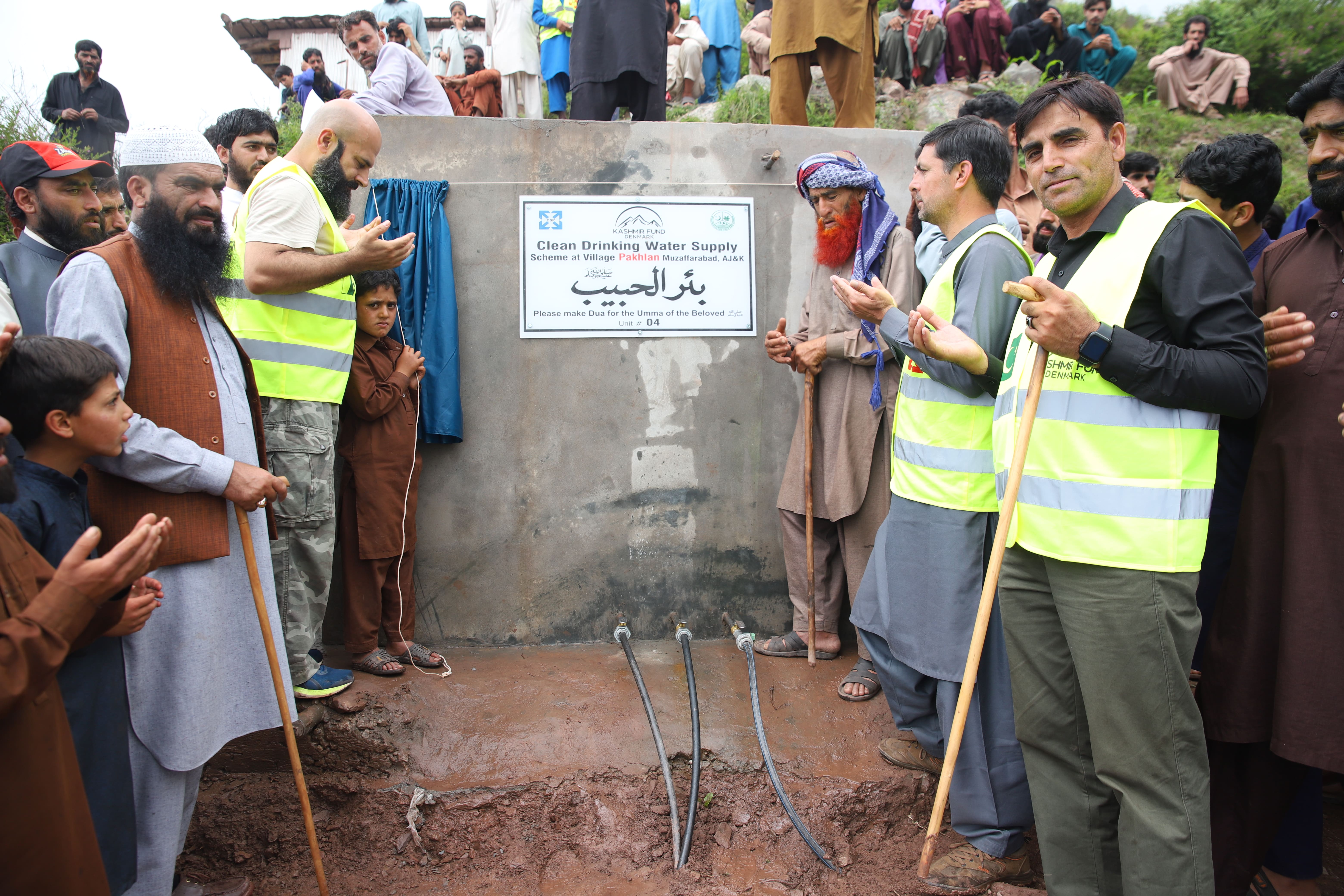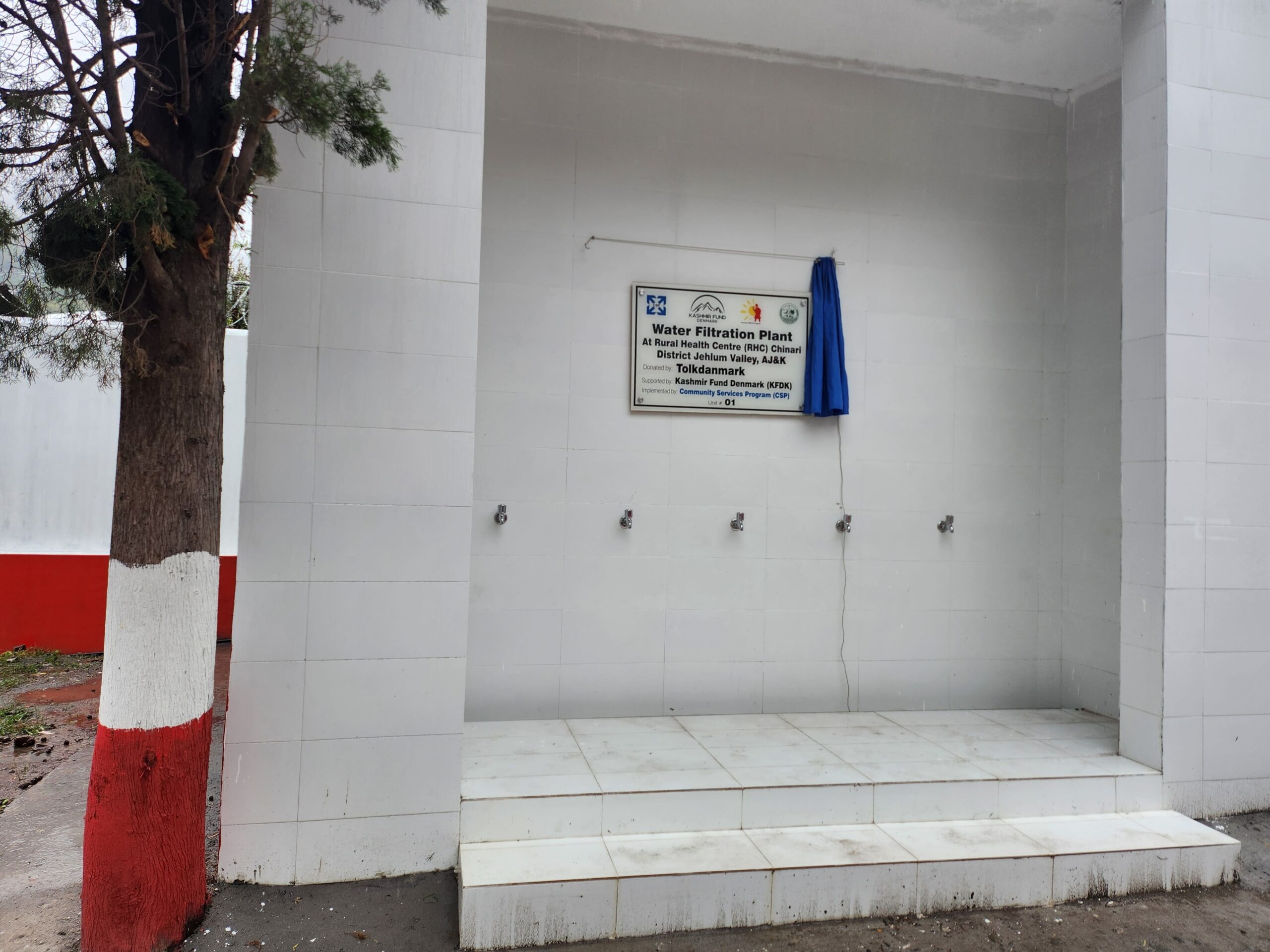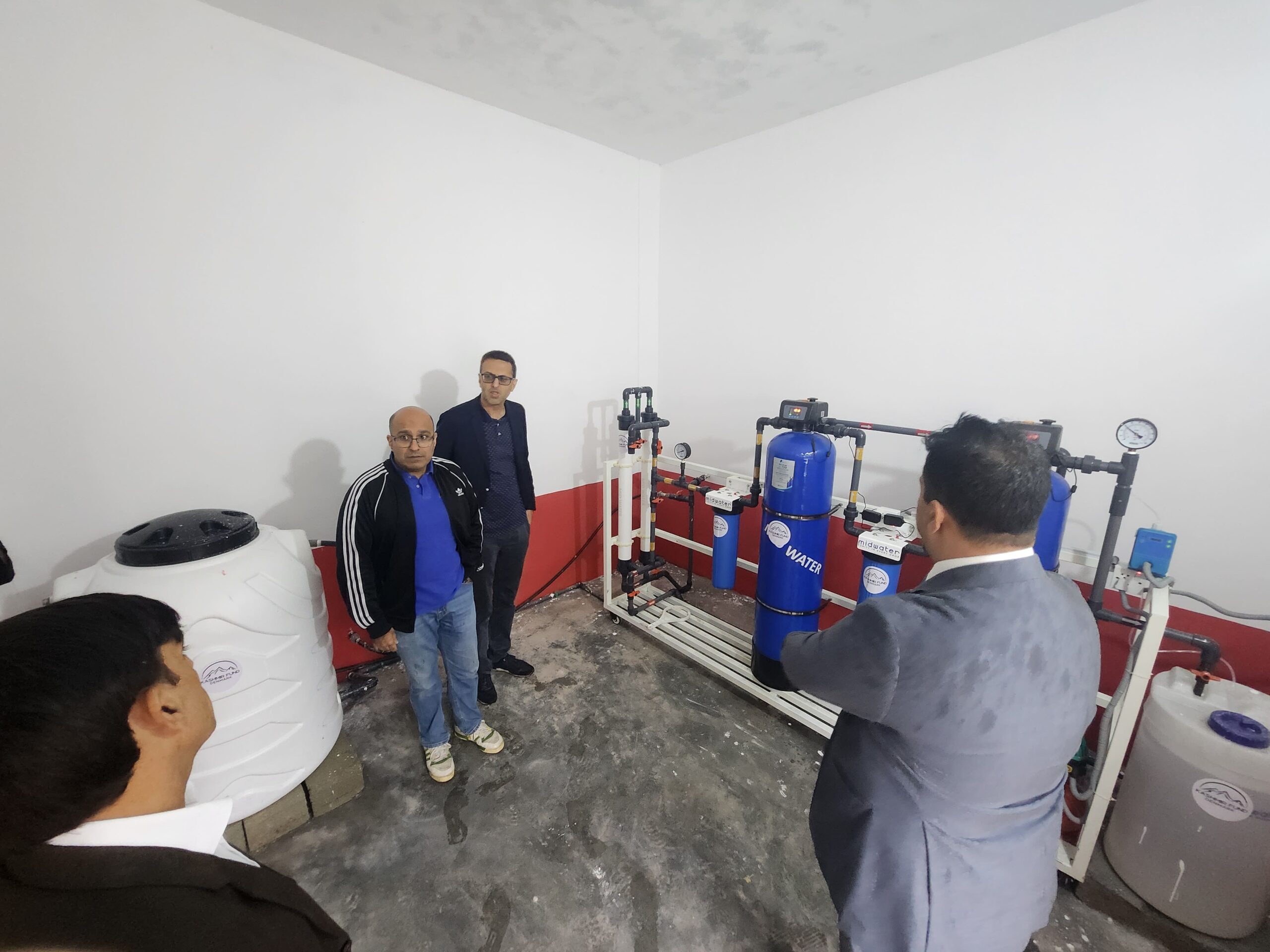
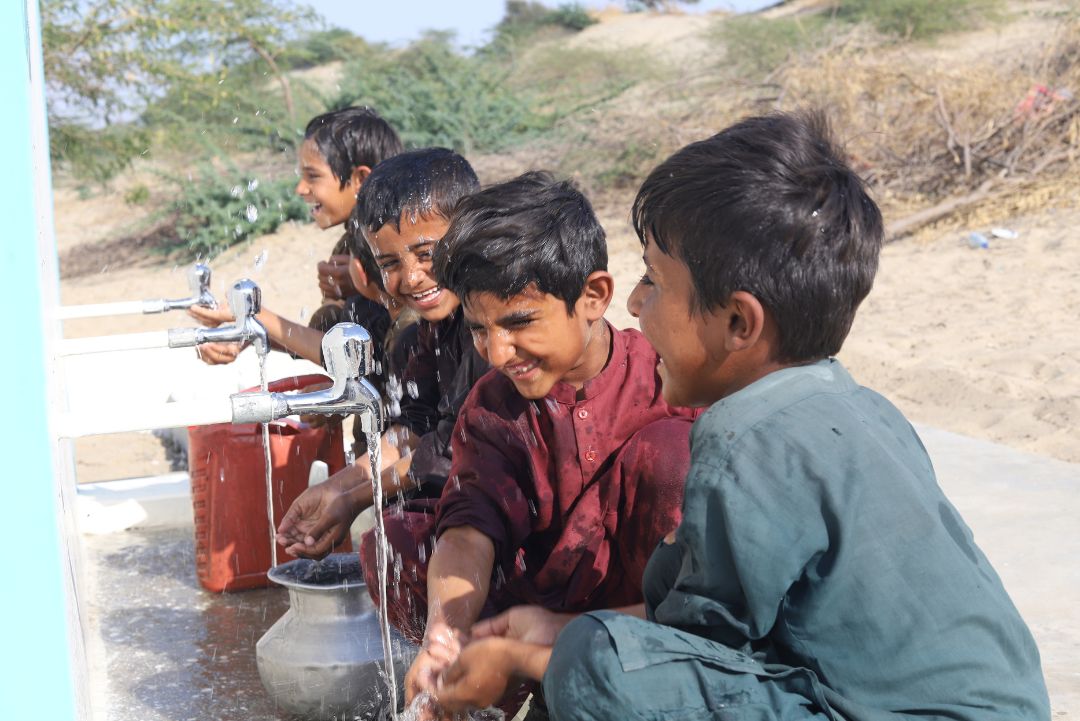
Access to clean and safe water is a fundamental human need and a cornerstone of public health. At Kashmir Fund DK, we have long recognised the vital importance of water projects in improving living conditions and protecting vulnerable communities. Through multiple initiatives across Kashmir and Pakistan, we have helped provide thousands of families with reliable access to clean water.
Background and challenges
In many remote and conflict-affected areas of Kashmir and Pakistan, access to clean drinking water remains extremely limited. Families are often forced to rely on unsafe water sources such as rivers, open wells, or long-distance water collection, increasing the risk of waterborne diseases. Climate change, population pressure, and damaged infrastructure further exacerbate water scarcity, particularly in rural and mountainous regions.
Women and children are especially affected, as they often spend many hours each day collecting water, limiting time for education, income-generating activities, and childcare.
Our approach
Kashmir Fund DK prioritises sustainable water solutions that improve health, dignity, and long-term resilience. Our approach focuses on identifying local needs, working closely with communities, and implementing durable water systems that provide safe and reliable access over time.
By investing in well-planned and maintained water projects, we aim to reduce disease, ease daily burdens, and support broader social and economic development.
Activities
• Construction and rehabilitation of water supply systems in remote communities
• Installation of wells, water tanks, and gravity-fed water systems
• Community engagement to ensure local ownership and long-term use
• Support for basic water management and maintenance
Who we support
Our water projects support poor families and communities living in remote and underserved areas of Kashmir and Pakistan, particularly those affected by conflict, poverty, and climate-related challenges.
Results and long-term impact
Through our water initiatives, thousands of families now have access to clean and dependable water sources. This has led to improved health outcomes, reduced incidence of waterborne diseases, and significant time savings—especially for women and children.
Access to clean water also contributes to better school attendance, improved household hygiene, and greater economic stability. Over time, these projects help build healthier, more resilient communities capable of withstanding future challenges.
How to support
Support our clean water projects with a donation or Sadaqah. Your contribution helps provide families with safe drinking water and creates lasting improvements in health, dignity, and quality of life.