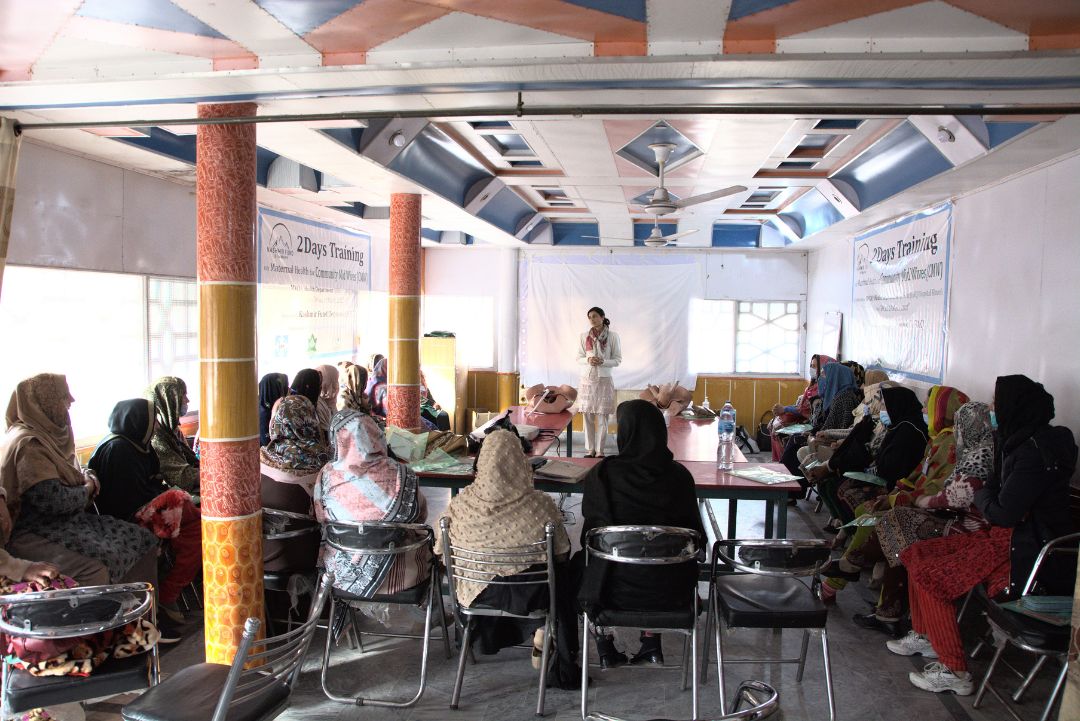
Maternal and infant mortality rates in Pakistan remain alarmingly high compared to global standards. Strengthening local healthcare capacity is therefore essential to improving outcomes for mothers, newborns, and communities. Through targeted training initiatives, Kashmir Fund DK (KFDK) works to equip healthcare workers and community volunteers with the skills needed to save lives and respond effectively in emergencies.
Background and challenges
In many parts of Kashmir, access to skilled healthcare professionals is limited, particularly in rural and mountainous areas. Community Midwives (CMWs) play a crucial role in maternal and newborn care, yet they often work in challenging environments where traditional, untrained birth attendants (daian) are deeply trusted within families.
At the same time, difficult terrain, long distances to hospitals, and frequent natural disasters mean that emergency medical help is often delayed. Without basic first aid knowledge, injuries and complications that could otherwise be treated early can quickly become life-threatening.
Our approach
KFDK focuses on building local capacity through practical, skills-based training. By strengthening the knowledge and confidence of Community Midwives and local volunteers, we aim to improve everyday healthcare delivery while also enhancing emergency preparedness.
Our training programmes are designed to build on existing knowledge, encourage active participation, and provide hands-on experience that can be immediately applied in real-life situations.
Activities
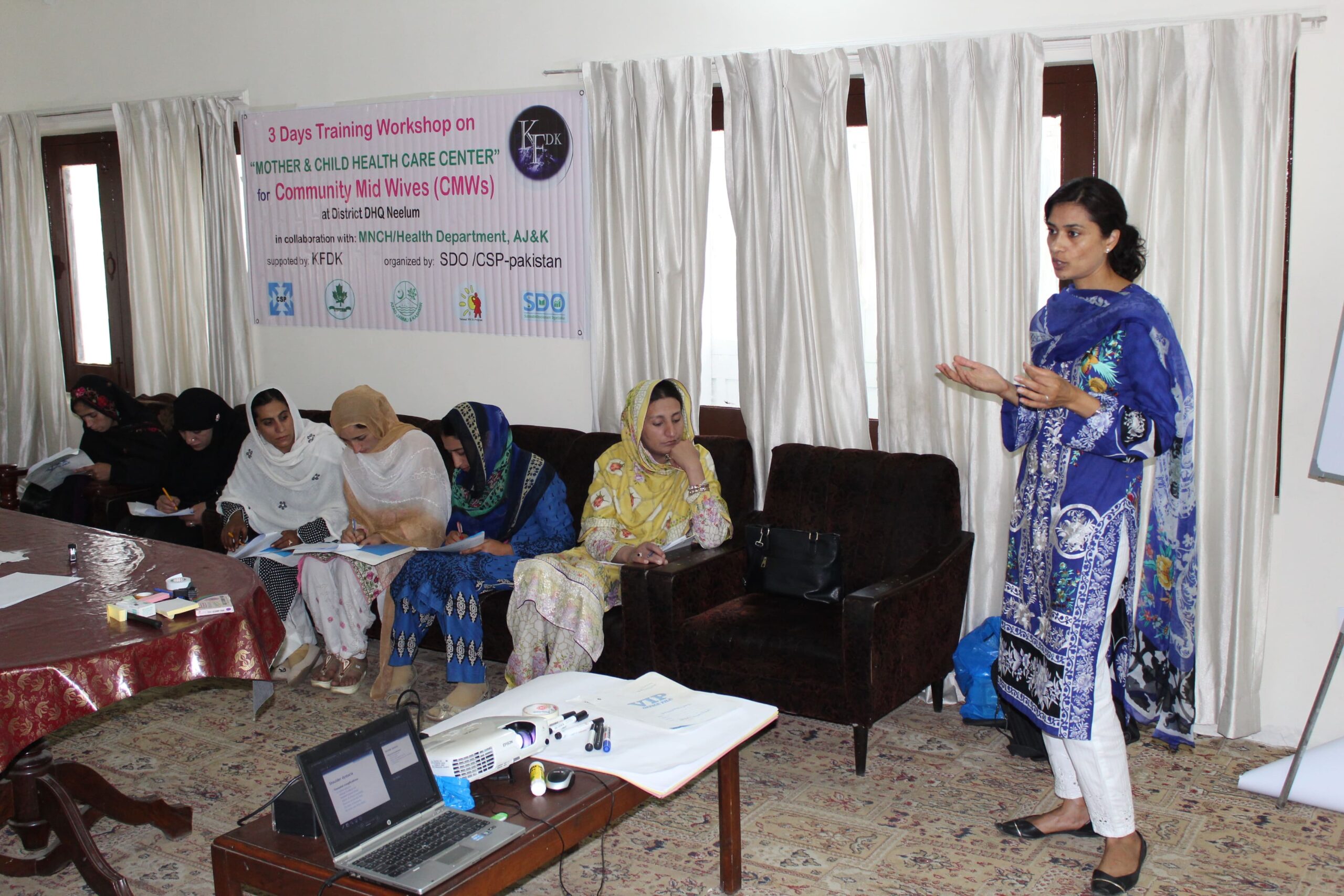
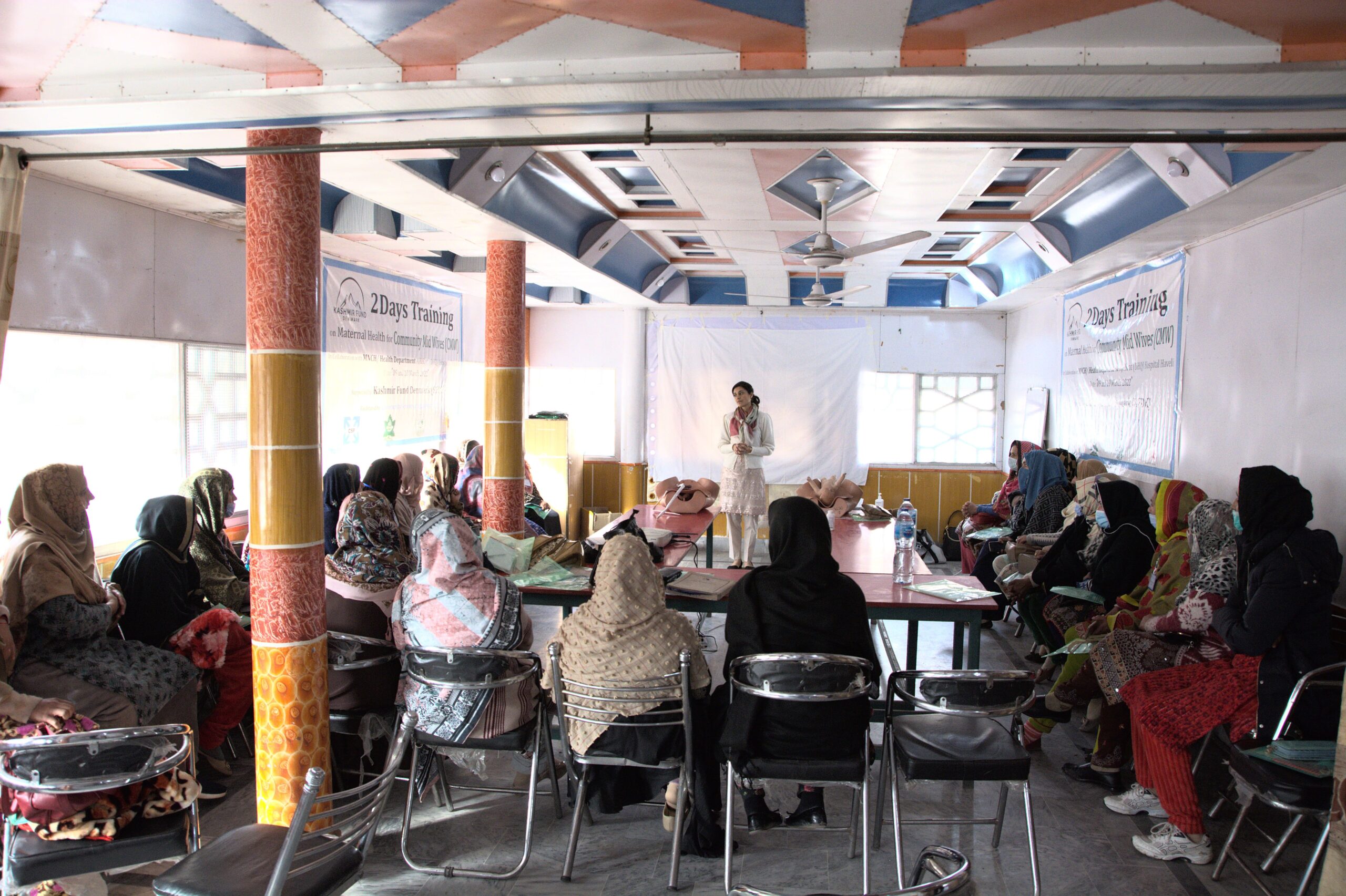
• Community Midwife (CMW) workshops to strengthen maternal and newborn care skills
• Health education sessions for pregnant women on nutrition, supplements, vaccinations, prenatal care, and neonatal health
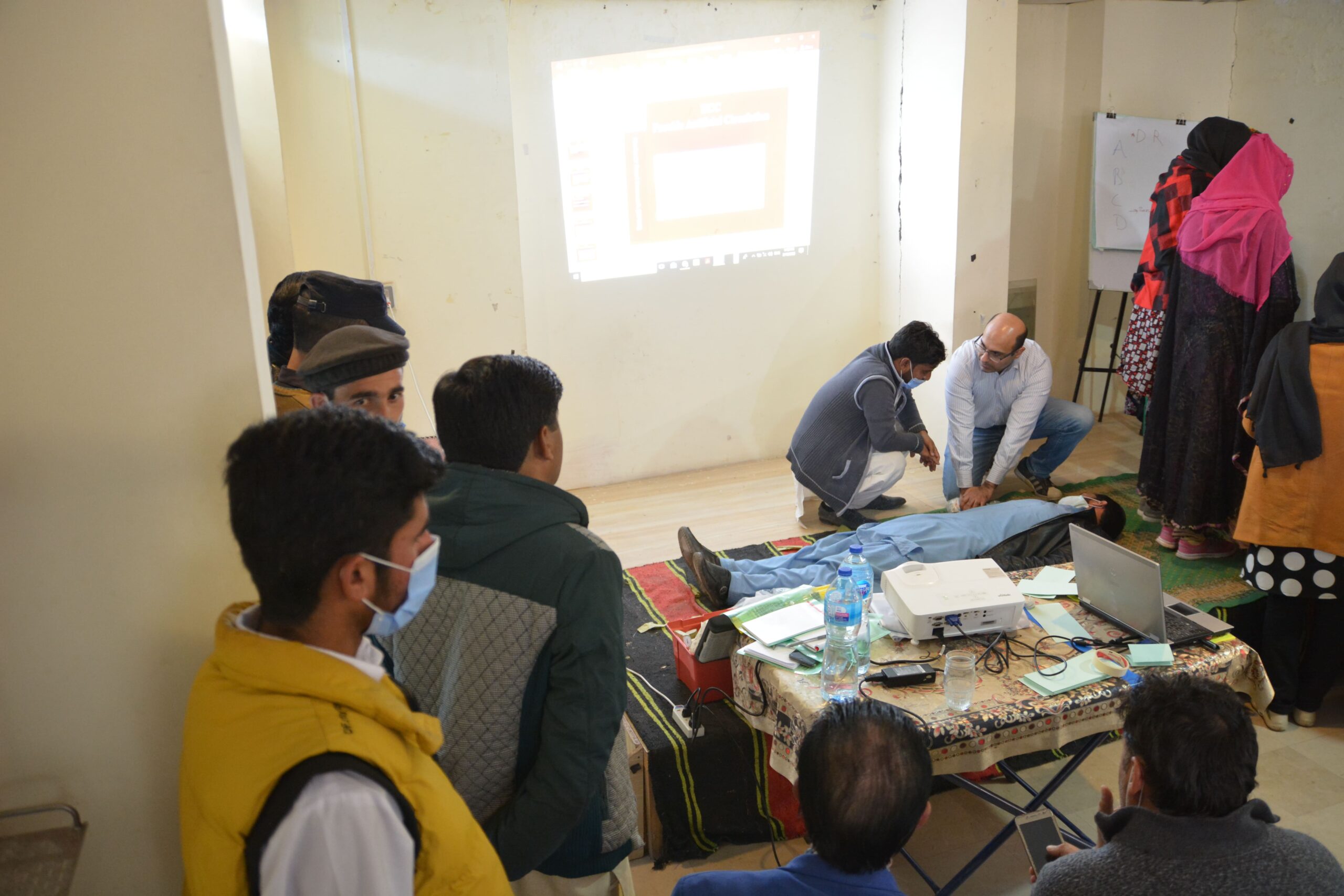
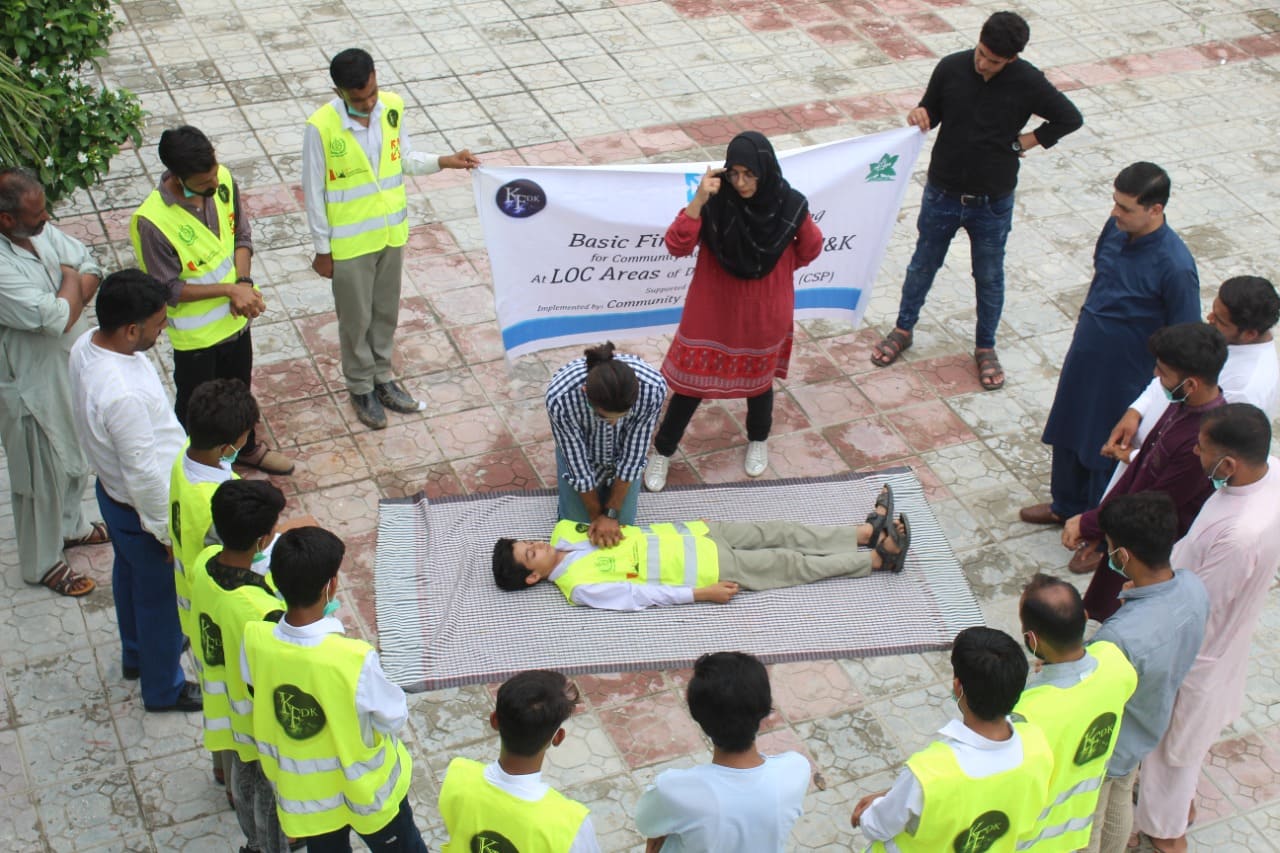
• First aid training for local volunteers, including CPR, wound care, accident response, and emergency transport
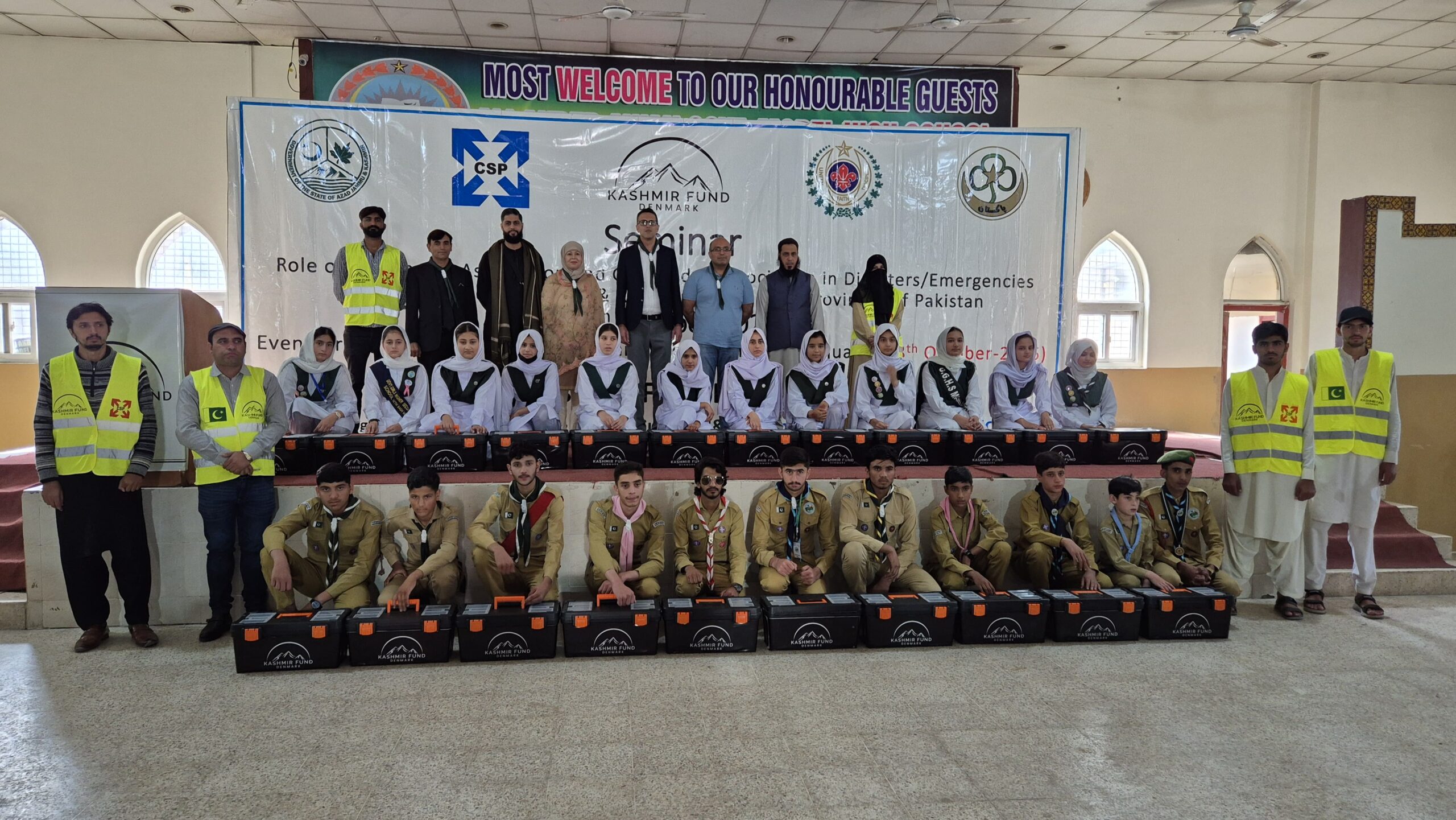
• Distribution of first aid kits to trained volunteers and youth organisations
Who we support
This project supports Community Midwives, pregnant women, newborns, and local volunteers in remote and underserved areas of Kashmir. By strengthening those closest to the community, the project benefits entire families and villages.
Results and long-term impact
Since 2016, Kashmir Fund DK has conducted regular CMW workshops, selecting motivated midwives who demonstrate strong commitment to improving their professional skills. These workshops have created dynamic learning environments where practical knowledge is strengthened and confidence increased.
CMWs also conduct regular education sessions for expectant mothers, helping women better understand their health needs, recognise warning signs during pregnancy, and practice proper self-care.
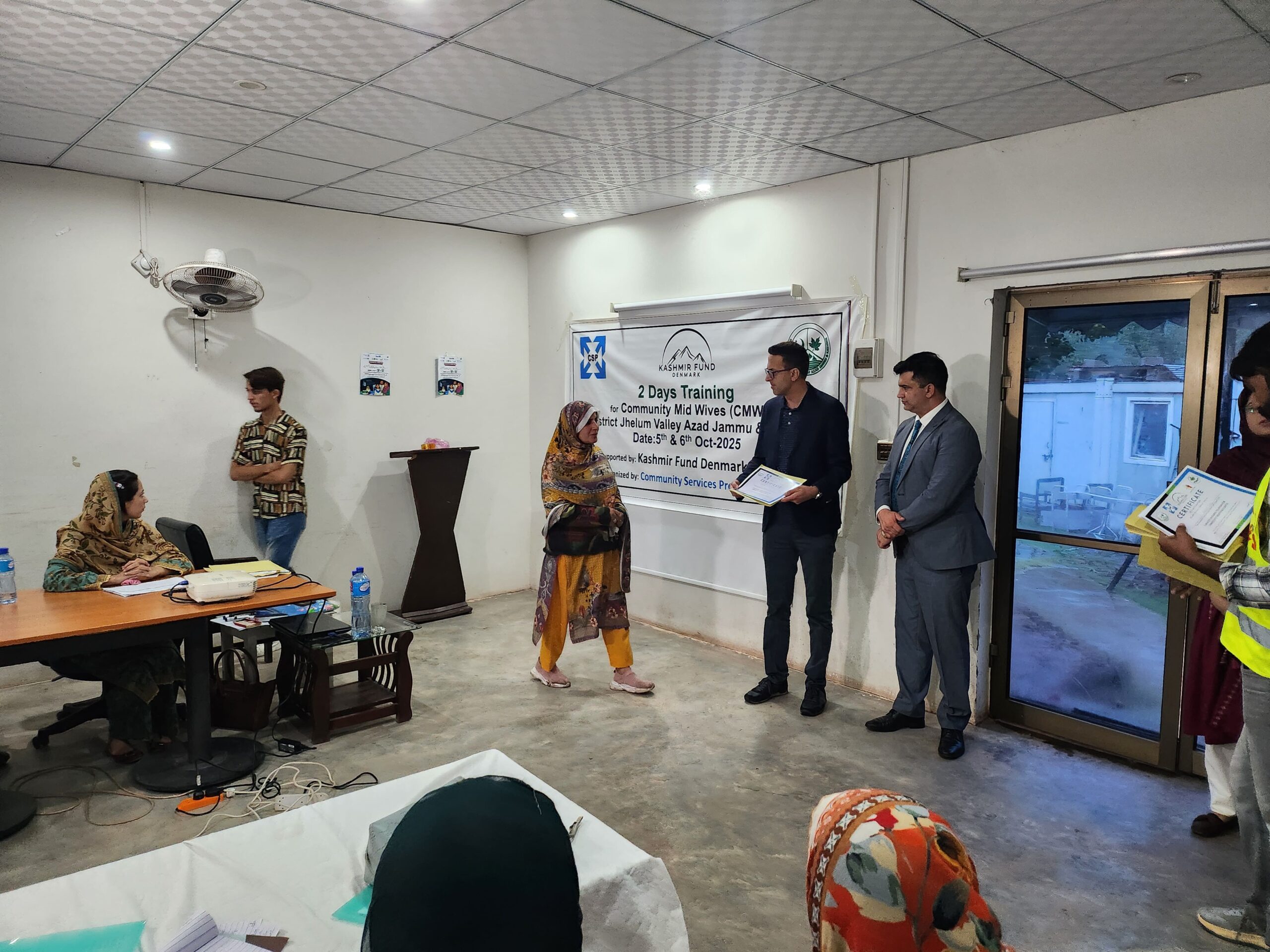
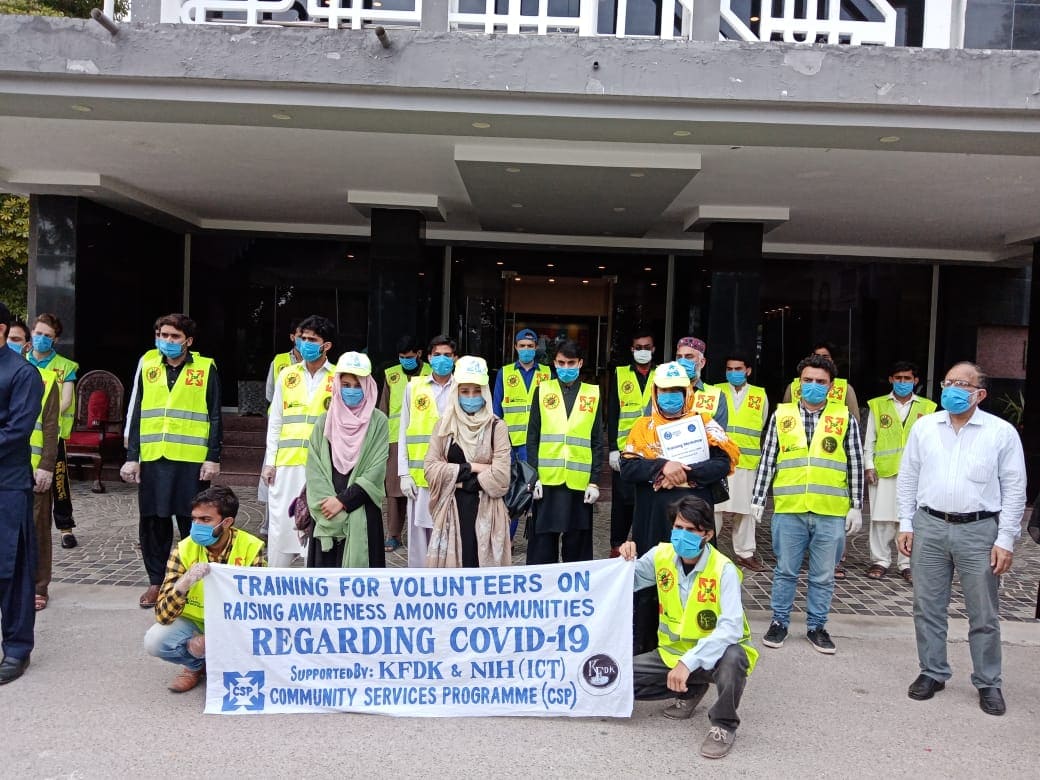
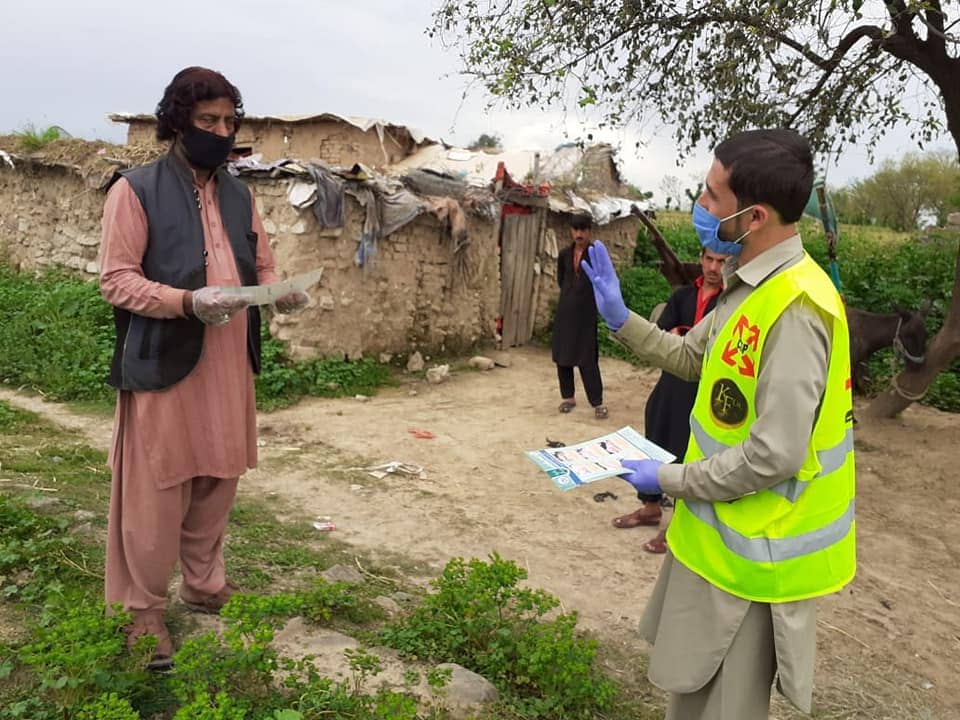
In parallel, KFDK has trained local volunteers in first aid and emergency response. In 2021, 52 young men and women completed a comprehensive first aid course, and in 2022, a pilot programme trained volunteers supporting medical camps. In 2025, first aid kits were provided to the Boy Scouts and Girl Guides of Kashmir, further strengthening community readiness.
Together, these initiatives contribute to reduced health risks, faster emergency response, and stronger, more resilient communities.
How to support
Support our capacity building and first aid training initiatives with a donation or Sadaqah. Your contribution helps equip midwives and volunteers with life-saving skills, improving healthcare and emergency response in remote communities.