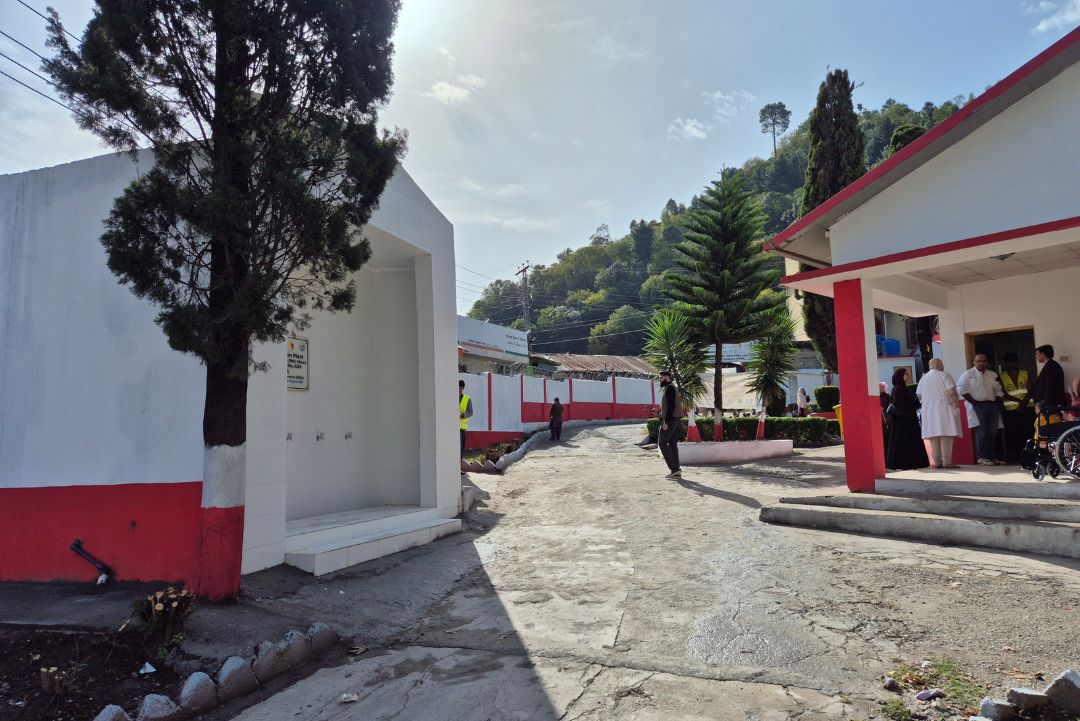
Access to quality healthcare is a fundamental right. Yet in many remote areas of Kashmir, hospitals struggle with outdated facilities, insufficient equipment, and inadequate infrastructure. Through our Hospital Upgradation Program, Kashmir Fund DK works to strengthen local hospitals and improve access to safe, reliable healthcare for underserved communities.
Background and challenges
Hospitals in remote parts of Azad Jammu & Kashmir often operate under severe constraints. Limited funding, aging infrastructure, and a lack of modern medical equipment make it difficult for healthcare staff to provide timely and effective treatment. Patients are frequently forced to travel long distances to receive basic diagnostic services, placing additional strain on families already facing poverty and isolation.
Poor sanitation systems, unreliable water access, and overcrowded wards further compromise patient safety and dignity, particularly for women, children, and emergency cases.
Our approach
Kashmir Fund DK takes a needs-based and locally informed approach to hospital upgradation. We identify hospitals in remote regions of Azad Jammu & Kashmir and conduct careful assessments through on-ground analysis and collaboration with local health authorities.
Based on these findings, we develop tailored improvement plans designed to strengthen hospital capacity, enhance patient safety, and improve overall quality of care in a sustainable manner.
Activities
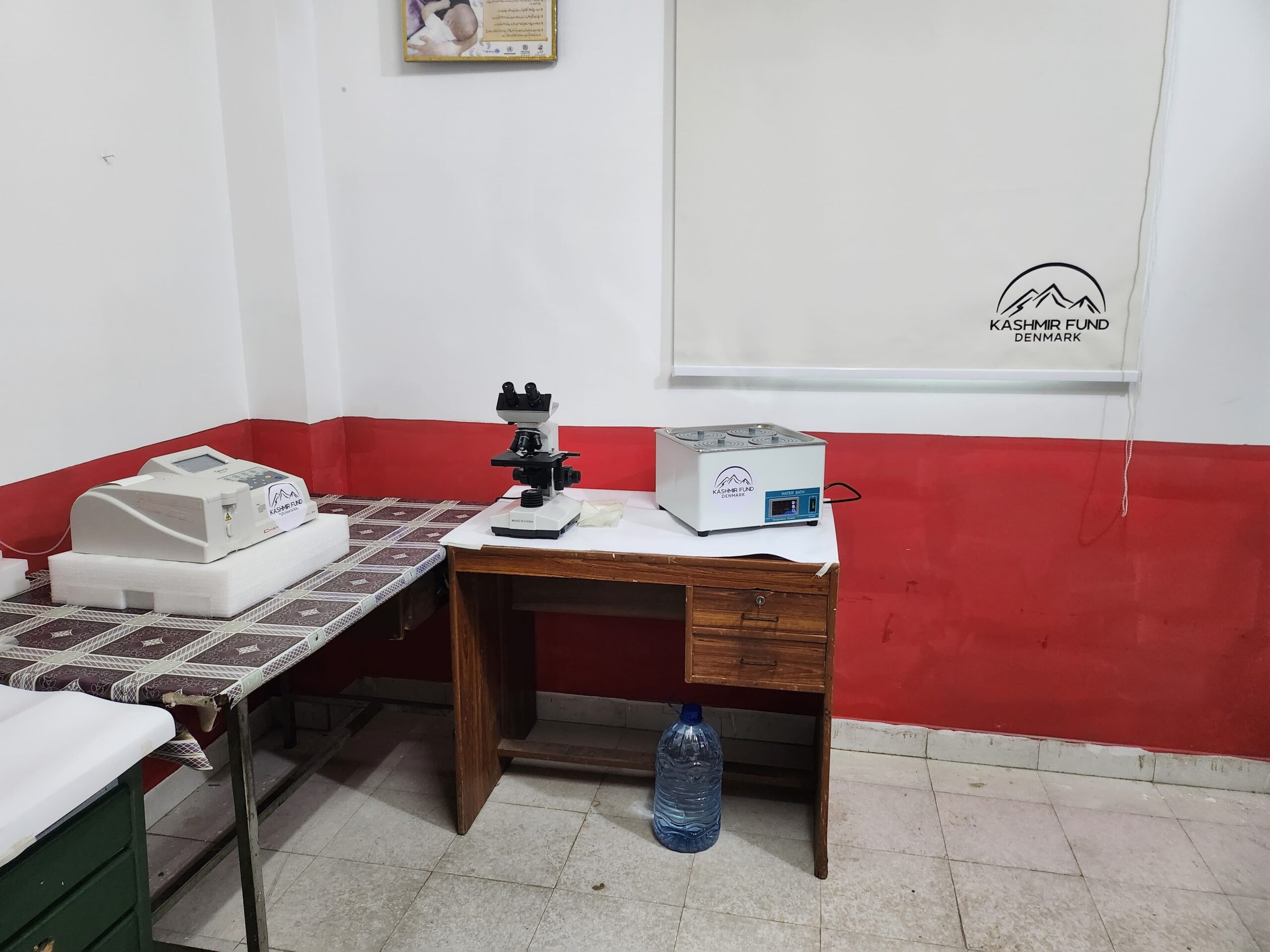
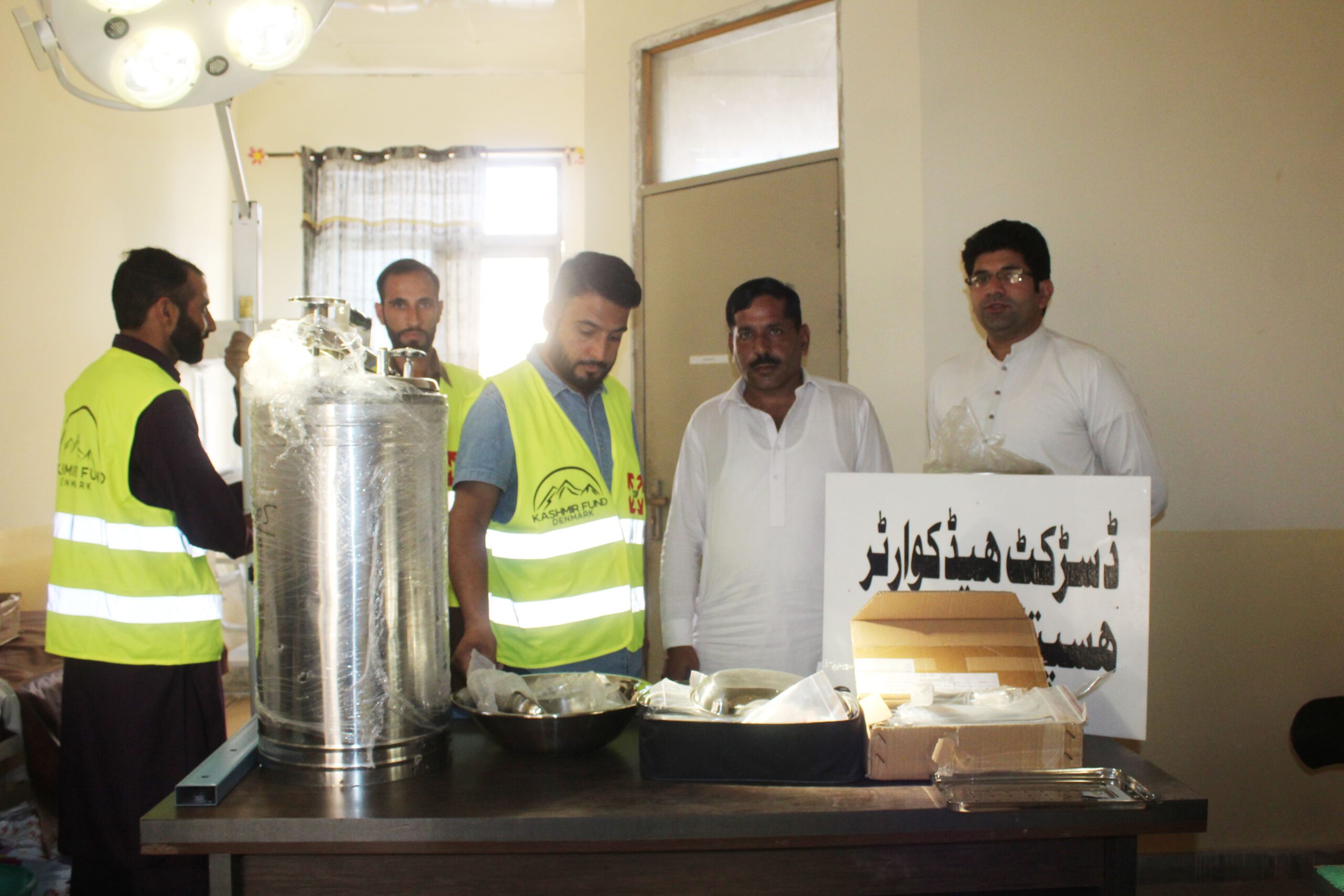
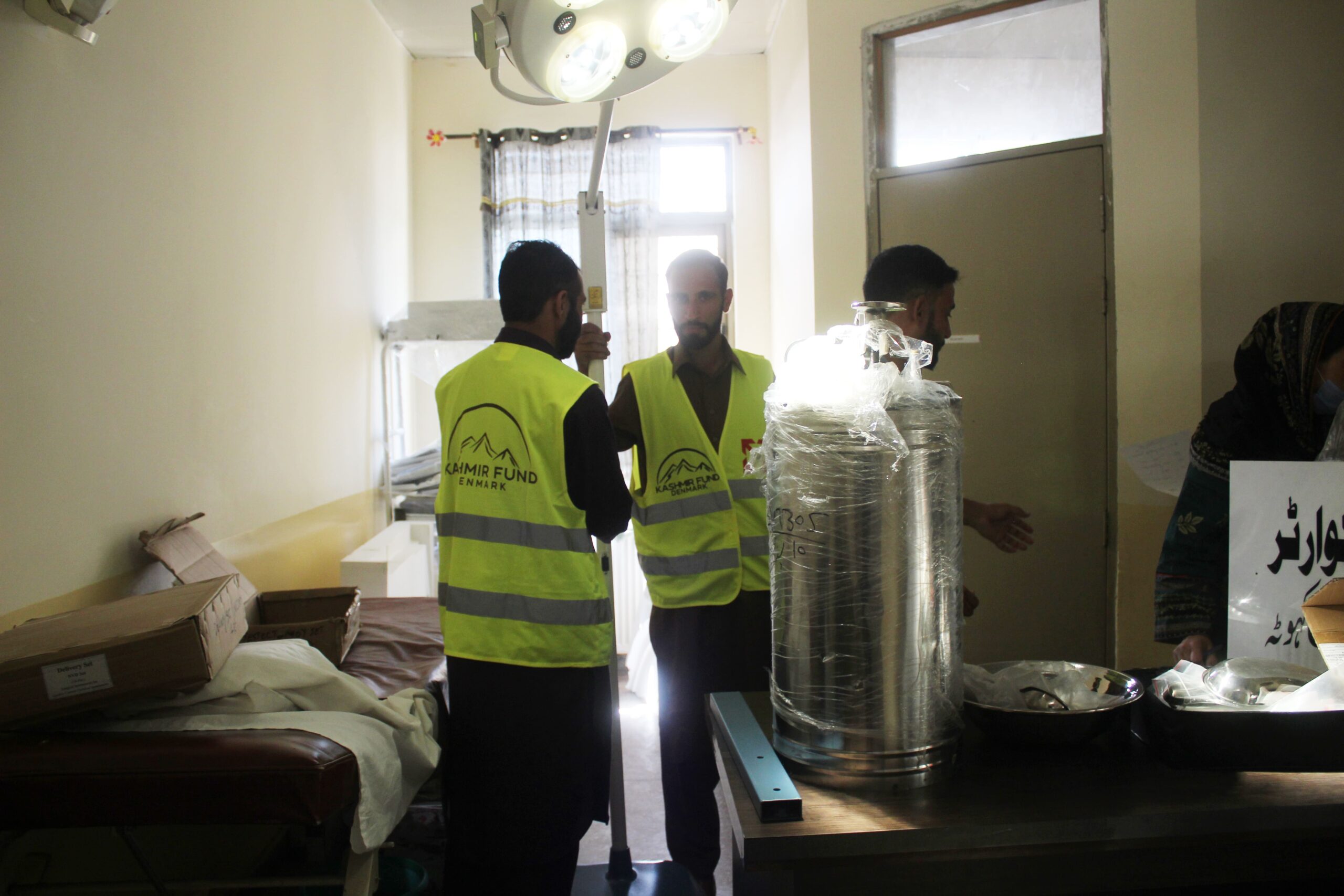
• Supply of modern medical equipment, including laboratory instruments, X-ray and ultrasound machines
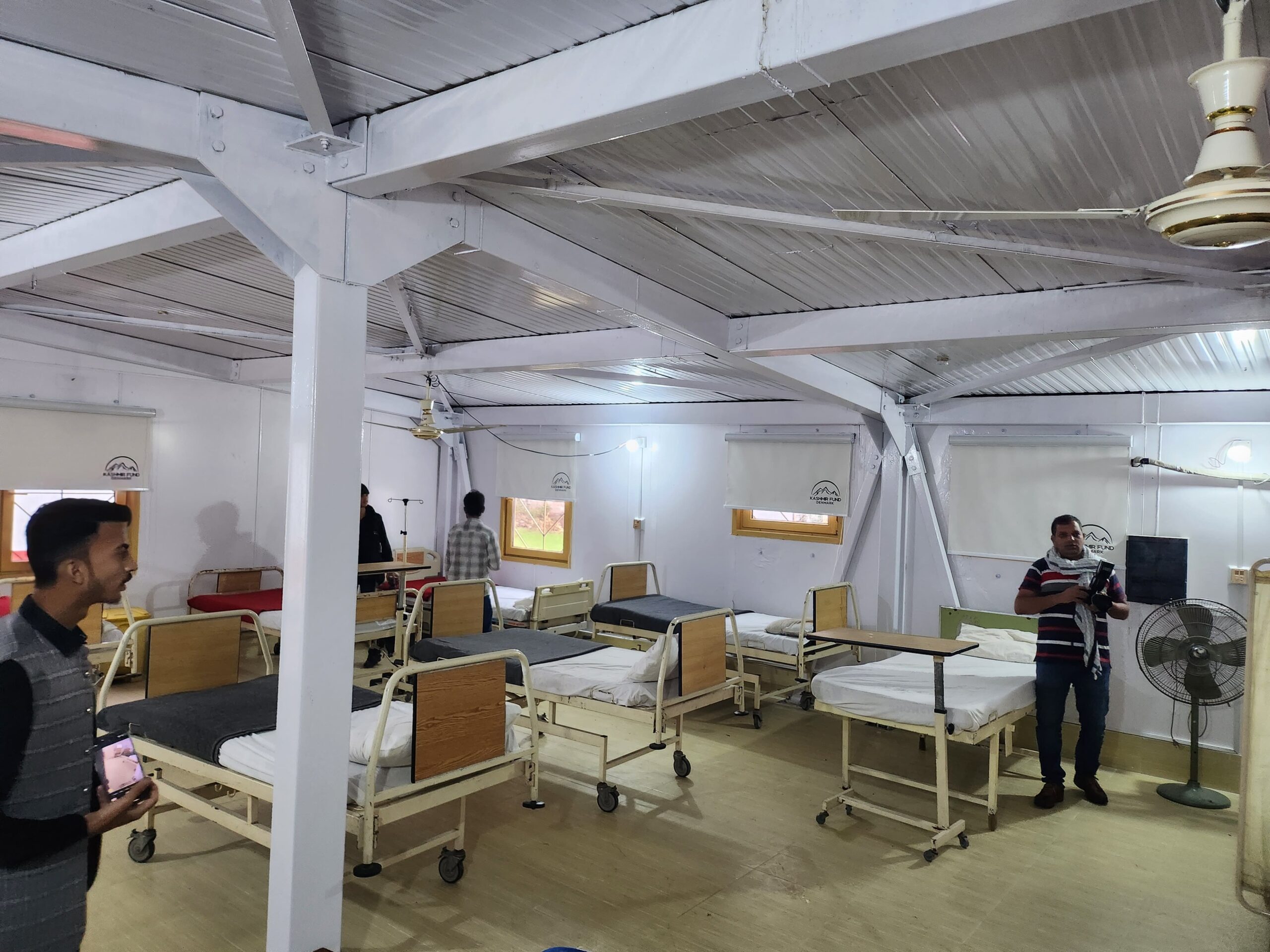
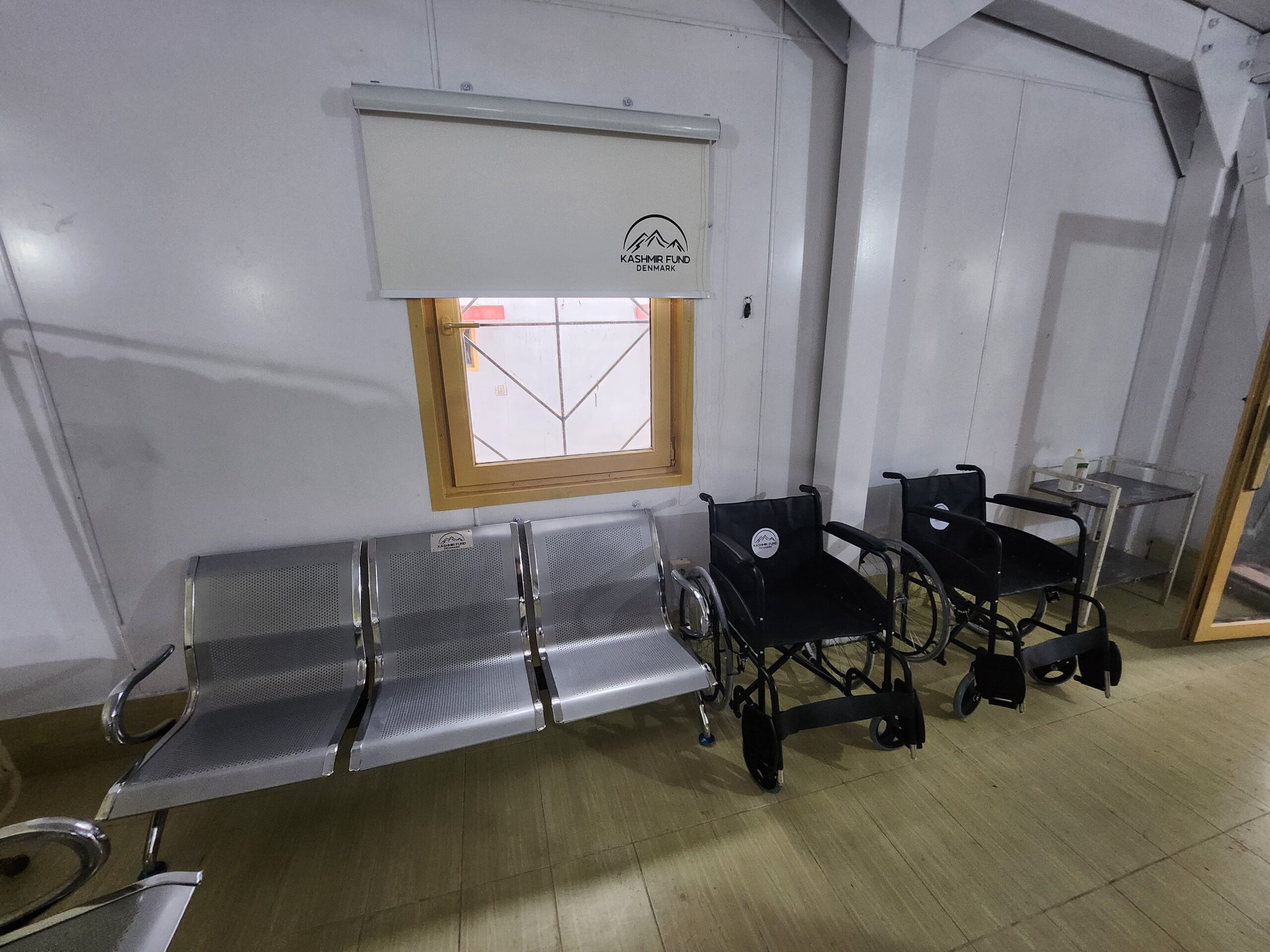
• Upgrading hospital furniture and improving patient wards
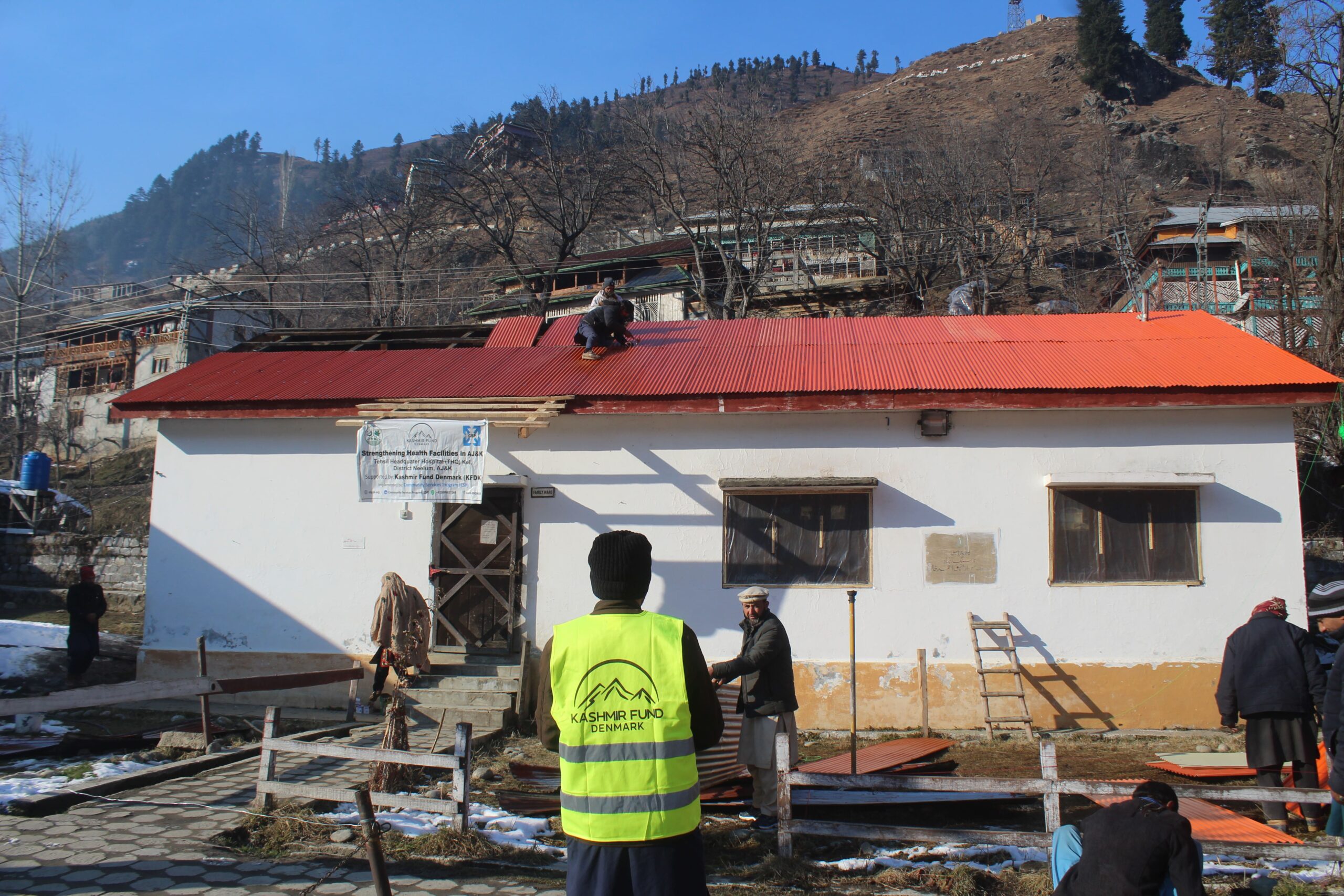
• Renovation and maintenance of hospital buildings to ensure safe and hygienic environments
• Installation of clean drinking water systems for patients and staff
• Implementation of waste management and garbage handling systems to improve hygiene and sustainability
Who we support
This program supports patients, healthcare workers, and entire communities in remote areas of Azad Jammu & Kashmir. By strengthening local hospitals, we ensure that families have access to essential healthcare services closer to home.
Results and long-term impact
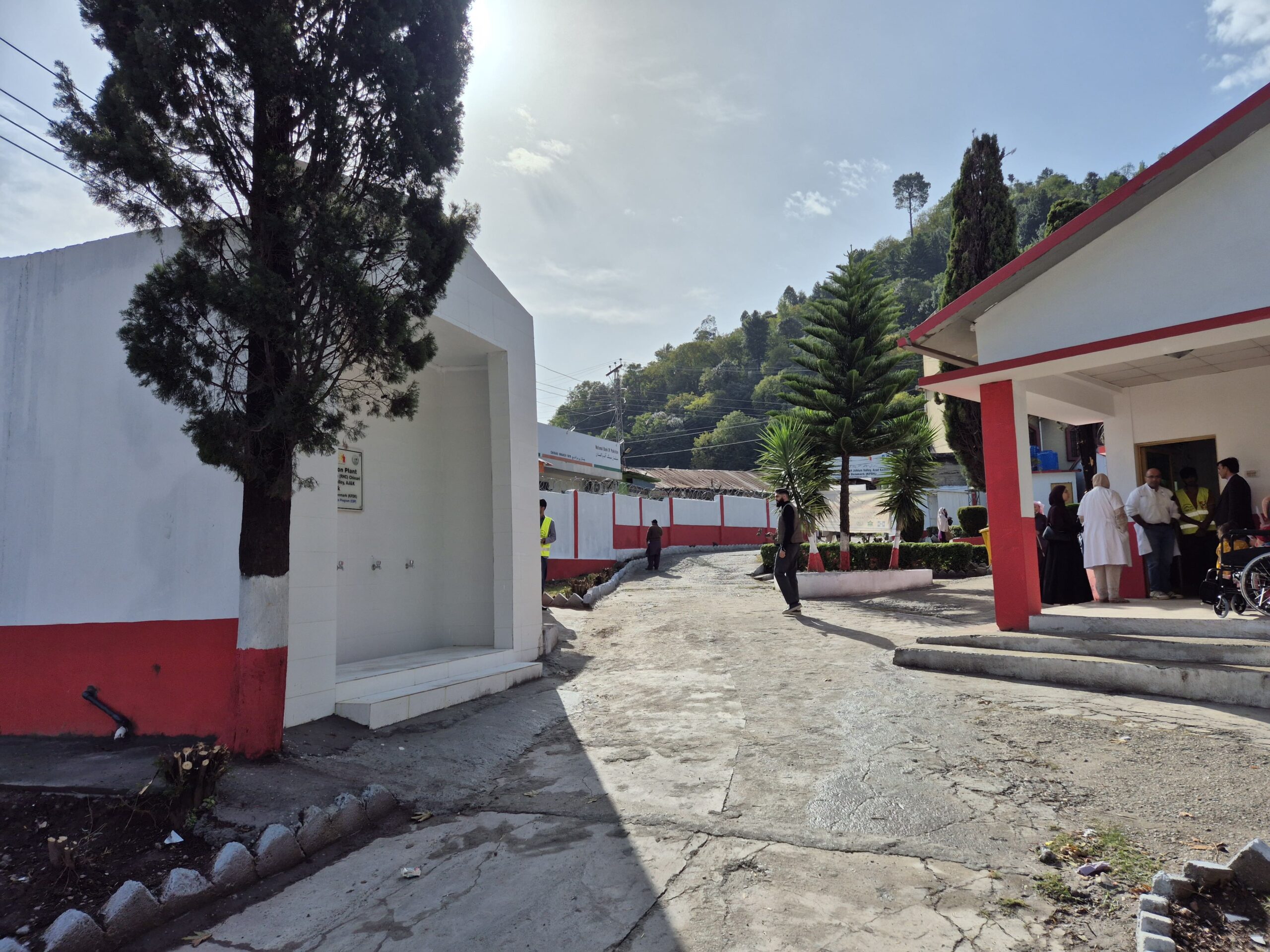
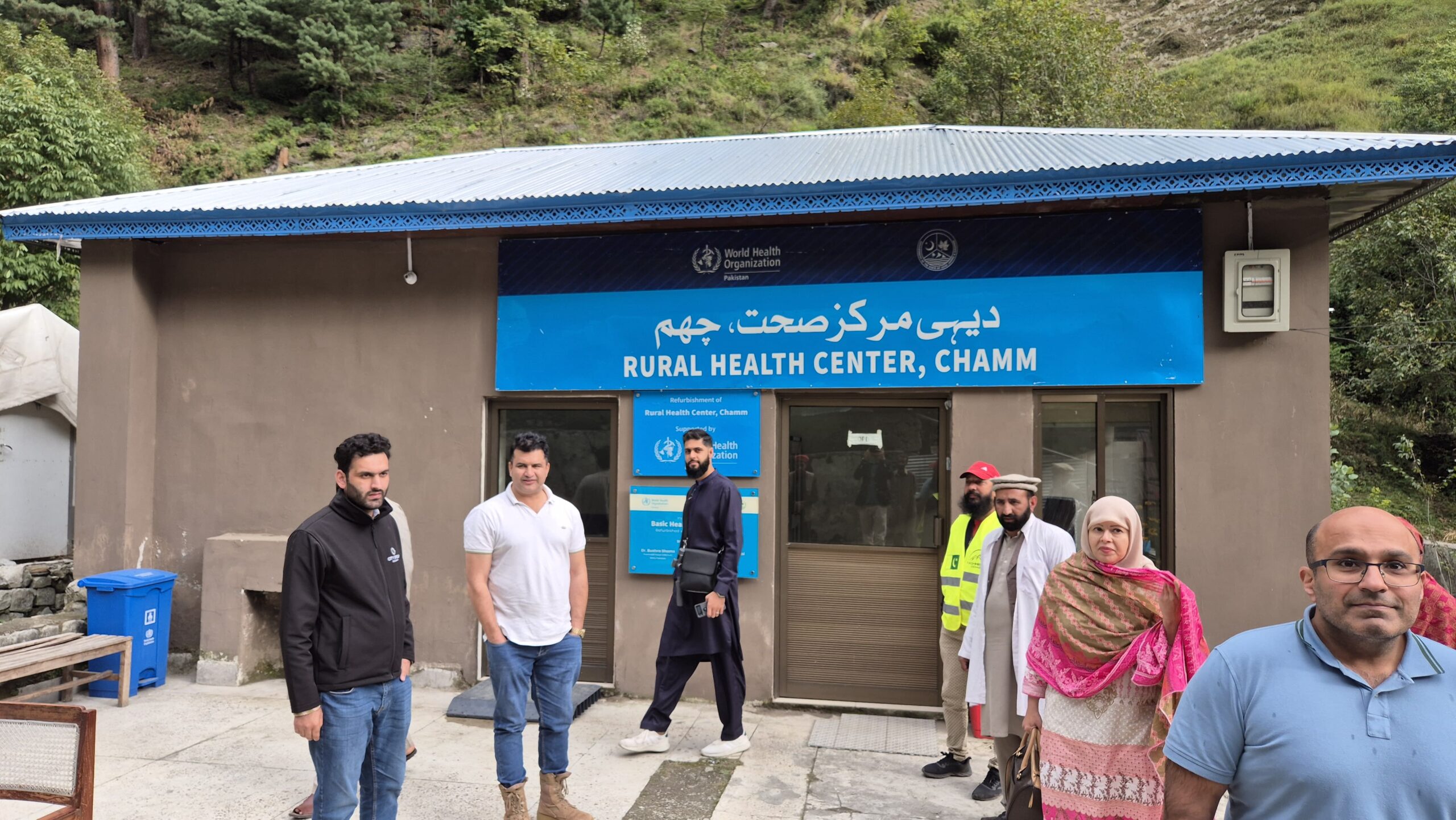
To date, two hospitals have been fully upgraded under this initiative: Tehsil Headquarters Hospital Kel in District Neelum and Rural Healthcare Centre Chinari. Each of these facilities now serves a population of approximately 100,000 people, offering free and improved healthcare services to patients who would otherwise have limited or no access to quality medical care.
Patients report safer environments, faster treatment, and improved outcomes. One mother shared, “For the first time, I felt that the hospital was safe for me and my child.”
Another patient noted, “The treatment is faster and more comfortable now,” while a third explained, “The new equipment saved my life during an emergency.”
By improving infrastructure, equipment, and hygiene standards, the program strengthens healthcare delivery, restores dignity to patients, and supports medical staff in providing better care.
How to support
Support our Hospital Upgradation Program with a donation or Sadaqah. Your contribution helps improve healthcare facilities, save lives, and ensure that communities in remote areas of Kashmir can access quality medical care close to home.